
DESS Connect
When the Plan Isn't the Point
Welcome to Issue 3 of DESS Connect, where we explore what happens when the career you planned isn't the one you end up building, and why that's often exactly how it should be.
We spend years helping young people plan their futures. Subject choices, university applications, career pathways….all of it designed to help you get from where you are to where you think you want to be.
But here's what we perhaps don't always say clearly enough: the plan you make at 18 is rarely the path you'll still be on at 28. And that's not a failure. In fact, it’s often where the most interesting work happens.
In this issue, you'll meet alumni whose careers look nothing like what they studied. Ivanka Irani said no to university when everyone else said yes, spent a gap year as a Performing Arts Technician at DESS College, then studied Liberal Arts in Pune, won a pageant, fed fourteen dogs during COVID, worked on the FIFA World Cup, and now flies for Etihad.
Hannah Tkaczuk studied performing arts and became a detective investigating domestic abuse. Kamraan Choudry went to university for accounting and left as a teacher working with the most disadvantaged pupils in London. Ricky Singh froze when he read his NYU acceptance letter because he couldn't believe it was real, then discovered dance wasn't uncool after all.
You'll meet Nathan Randell, who went from inaugural Head Boy to managing a medical ship in Papua New Guinea with a crew of 130, and is now studying theology while raising four children and occasionally flying agricultural drones. You'll read how Darya Badman’s placement in Norway became Cardiff due to visa issues, and who's now working in a biobank while planning a career in pandemic crisis management. And you’ll chuckle with Omid Rouhani as he remembers watching Miss Miles change a tyre in the Dubai heat in the 1970s – and who went on from DESS to teach at an all-female university for 25 years.
None of these paths was predictable. Most of them weren't even on the original list of options. But all of them led somewhere meaningful because the person walking the path stayed open to possibilities they hadn't planned for.
That openness is something we try to cultivate at DESS. Not the ability to stick rigidly to a plan, but the flexibility to recognise when a new opportunity is worth exploring. The confidence to say no to something that isn't right, even when everyone else is saying yes.
What strikes me most about these alumni is how often they discovered what mattered to them through doing, not planning. The plan isn't the point. The point is building the capacity to recognise good opportunities, adapt to changing circumstances, and keep moving forward even when the original destination turns out to be somewhere else entirely.
If you're interested in mentoring, offering internships, or simply sharing your experience, reach out to alumni@dess.sch.ae.
Welcome to the journey.
Christopher Vizzard
Principal
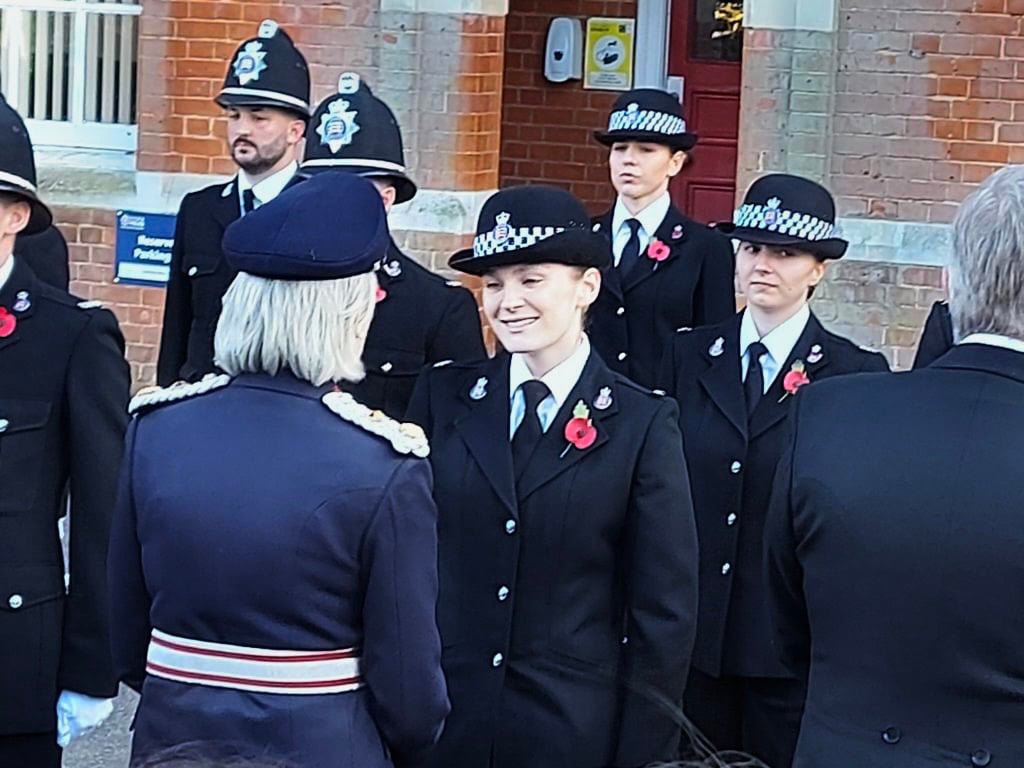
Swapping Stage Lights for Blue Lights
Hannah Tkaczuk
DESS College Graduate | Essex Police Detective | Domestic Abuse Specialist
To anyone familiar with Hannah Tkaczuk's passion for performing arts at College, her current position as a detective with Essex Police, specialising in domestic abuse investigations, might not seem the path she was most likely to follow.
But Hannah says she was always drawn to the prospect of a steady and respected career where she could encounter different challenges in various departments and feel like she was making a real impact on peoples’ lives.
Having applied in 2022, she is now investigating high-risk domestic abuse cases, which means engaging with victims and supporting charities, arresting and interviewing, and carefully collating evidence to help determine whether there's a realistic prospect of conviction.
What the Job Actually Involves
All that said, Hannah's daily work isn't what most people imagine when they think about detective work. For a start, there are no dramatic chases or forensic breakthroughs. Instead, there's patience, attention to detail, and the ability to sit with people during some of the worst moments of their lives and help them find a way forward.
She works with victims who are often traumatised, frightened, and unsure whether speaking to the police will make things better or worse. She works with charities who understand the complexities of domestic abuse in ways the criminal justice system sometimes doesn't. And she routinely interviews men and women who may be violent, manipulative, or both.
Then comes the evidence work. Witness statements, medical reports, phone records. CCTV footage, financial documents, text messages – you name it and Hannah wades through it! Everything needs to be collated, assessed, and presented in a way that meets the evidential threshold for prosecution. If Hannah determines that threshold is met, she compiles a case file and submits it to the Crown Prosecution Service, who make charging decisions.
Sometimes this leads to court trials, which Hannah attends with the goal of bringing offenders to justice. But even when cases don't result in convictions, the work matters. Victims who report abuse and receive support are statistically less likely to experience further violence. The investigation itself can create consequences that change behaviour, even without a conviction.
The Skills That Transferred
On the surface, performing arts and detective work have little in common. But the skills Hannah developed on stage at College turned out to be surprisingly relevant in interview rooms and courtrooms.
Reading a room, understanding body language and tone, projecting confidence even when you're uncertain, staying calm under pressure, and communicating clearly in high-stakes situations - these are all skills you develop in theatre, and they're all skills you need when you're interviewing a domestic abuse victim who's deciding whether to trust you, or someone who's trying to manipulate the conversation.
The dedication and commitment required to complete the detective exam and portfolio were lessons learned at College, where Hannah believes she got the confidence to seize an opportunity that might have seemed out of reach, and the work ethic to succeed once she had it in her grasp.
Why This Work Matters
Hannah knows that domestic abuse is one of the most underreported and underprosecuted crimes in the UK. Victims often don't report because they're scared, because they don't think they'll be believed, or because they've tried before and nothing changed. When they do report, the investigation needs to be handled by someone who understands the dynamics of abuse, the barriers to disclosure, and the risks victims face when they speak out.
Hannah's role sits at the intersection of criminal justice and victim support. As well as building cases, she’s helping people who've been harmed find their way out of dangerous situations. Every day, she’s holding people accountable in a system that doesn't always make that easy, and doing work that requires both technical skill and genuine empathy.
It's the kind of career where success isn't always visible. She’s come to terms with the reality that you don't get applause at the end of a good interview or take a bow when a case results in conviction. But you do know you're making a difference because the victims tell you, cases move forward, and you're part of a system that, when it works properly, can genuinely change lives.
The Unexpected Path
Hannah's story is a reminder that career paths don't have to make sense to anyone else. Performing arts to police detective sounds like a strange pivot, but it works because Hannah understands what she's good at, what matters to her, and what she wants from a career.
College gave her the foundation and skills that transferred in unexpected ways, and the confidence to apply for something that might have seemed like a stretch. Hannah’s path may not have been the one anyone (including her!) expected. But it was exactly the path she needed.
Ivanka Said No To University. Then Things Got Interesting
Ivanka Irani
DESS College Graduate | Performer | Model | Flight Attendant
When Ivanka looked carefully at the list of universities she'd painstakingly spent time applying to, something slightly scary struck her. She didn't actually like any of them!
Between A Levels (which included the Edexcel Highest Mark in the World Award for Drama) and trying to maintain some kind of social life as a teenager, it dawned on her that she'd barely had time to think it all through properly. While everyone was accepting their offers, she was struggling to say yes to any of hers.
Needless to say, for a while she was convinced she'd made a huge mistake and didn’t imagine that saying no would turn out to be the best decision she could make.
Because shortly after doing so, she got lucky. She was presented with an opportunity to return to College; this time to experience the other side of school life. She joined as an assistant Performing Arts Technician, and began one of the most satisfying years of her life. For the first time, she felt a lot more control and confidence in what she was doing. Earning her own money. Living on her own terms.
She says: “I’d totally recommend a gap year if anyone feels like they aren't 100% sure about the universities they chose to apply to. Breaking from the norm can be scary, but sometimes it works in your favour. It did for me.”
Pune and Learning to Perform in Hindi
During that gap year, Ivanka took her time to properly research universities and managed to find one that truly struck a chord with her: the Foundation for Liberal Arts and Management Education in Pune, India. She studied a double major of Environmental Science and Drama and Theatre Studies.
It was tough at the start. She'd never lived in India before, and it humbled her in ways she hadn't expected. But it also taught her so much about the country and city she was from but which she'd never known before.
She had the opportunity to learn how to perform in Hindi and work on plays by Indian playwrights. The challenge was huge because the Hindi language has sounds and pronunciations that aren't present in English. Although she knew enough to get by, it wasn't a language she'd ever learned or practised growing up at home. She had to work much harder than other students when learning lines, spending hours daily memorising them. But it was something she'd always been passionate about, so it never stopped her.
Fresh Face and Self-Doubt
While at university, Ivanka was scouted by the Times of India for a talent pageant called Times Fresh Face. She won her city title with her talent round being acting, and became Pune's Times Fresh Face. She then represented her city in an all-India pageant in which girls and boys from cities all over the country competed.
They lived in the same house that served as the base for the Miss India organisation and did workshops with photographers, models and actors across the industry for two weeks before competing. As exciting as it sounds, it was also nerve-wracking and Ivanka says she battled with a lot of doubts and worries. Am I good enough? Is my talent enough? How do you drown the noise of your own self-doubt?
COVID, Grandparents, and Fourteen Dogs
Then COVID happened. Ivanka moved to online university halfway through her degree, just as she was finally settling into such a strange new place. She got stuck in Pune because her parents were living in Doha at the time, and entry was closed even for residents.
Everything in the city closed down entirely, and her grandparents were left with no help except Ivanka and her sister. Because they were old and so weren’t allowed to see anyone for almost nine months, she had to learn how to cook and clean for people other than herself for the very first time.
During this time, not seeing another soul apart from the three people she was living with, they found themselves also feeding 14 dogs that belonged to people who were also separated from their family and pets.
Doha, Qatar Museums, and the FIFA World Cup
When borders finally opened, Ivanka moved to Doha, but found work hard to come by. Eventually, she managed to get a part-time job with Qatar Museums organising events at art galleries. Though appreciating the opportunity, she still felt unfulfilled. Then by chance, she was scouted by a private agency in Doha called the Abstract Agency, and it changed her entire experience.
She was represented as a model and actress there, modelling and shooting ads for national and international brand names. Then she moved behind the scenes and gained valuable experience as a project manager. Working with the agency head, she got a chance to manage talent, and coordinate shoots, productions and events. She worked on many projects, including the FIFA World Cup Official Video.
Flying and What Comes Next
In another career switch, Ivanka joined Etihad as a flight attendant, and has been with them for a few years. She feels it’s given her a chance to see the world and have a bit more stability in her life while living truly on her own away from home for the first time. She plans to do this for a year or two max, then start a new path in life looking for opportunitites to push towards acting whilst caring for animals in whatever way she can.
The Thread Through It All
If there's a pattern to Ivanka's story, it's that she's never taken the obvious path, and it's always worked out - eventually! The gap year when everyone else went straight to university. The Liberal Arts degree in Pune when she could have stayed somewhere more comfortable. Getting stuck in India during COVID and feeding 14 dogs instead of falling apart. Moving to Doha with no contacts. Taking the flight attendant job when she wanted to act.
None of it looks linear on paper. But all of it taught her something she needed to know about herself and about the importance of developing resilience.
Tutoring Started As a Side Hustle and Became a Calling
Kamraan Choudry
DESS College Graduate | Teacher | Humanitarian Volunteer
Kamraan Choudry went to Queen Mary University of London to study Maths with Finance and Accounting, but spent more time tutoring other students than attending his own lectures. And that was when it hit him that maybe he wasn’t wired for finance, and that what he really cared about was the moment when someone who'd been struggling finally understood something. Perhaps that feeling of watching someone ‘get it’, was more addictive than any balance sheet was ever going to be.
So he applied for Teach First, a programme that places teachers in schools serving the most disadvantaged pupils. Now he teaches at a school with higher than national EAL and SEND needs, working with students who need dedicated teachers willing to show up every single day and make every child feel valued.
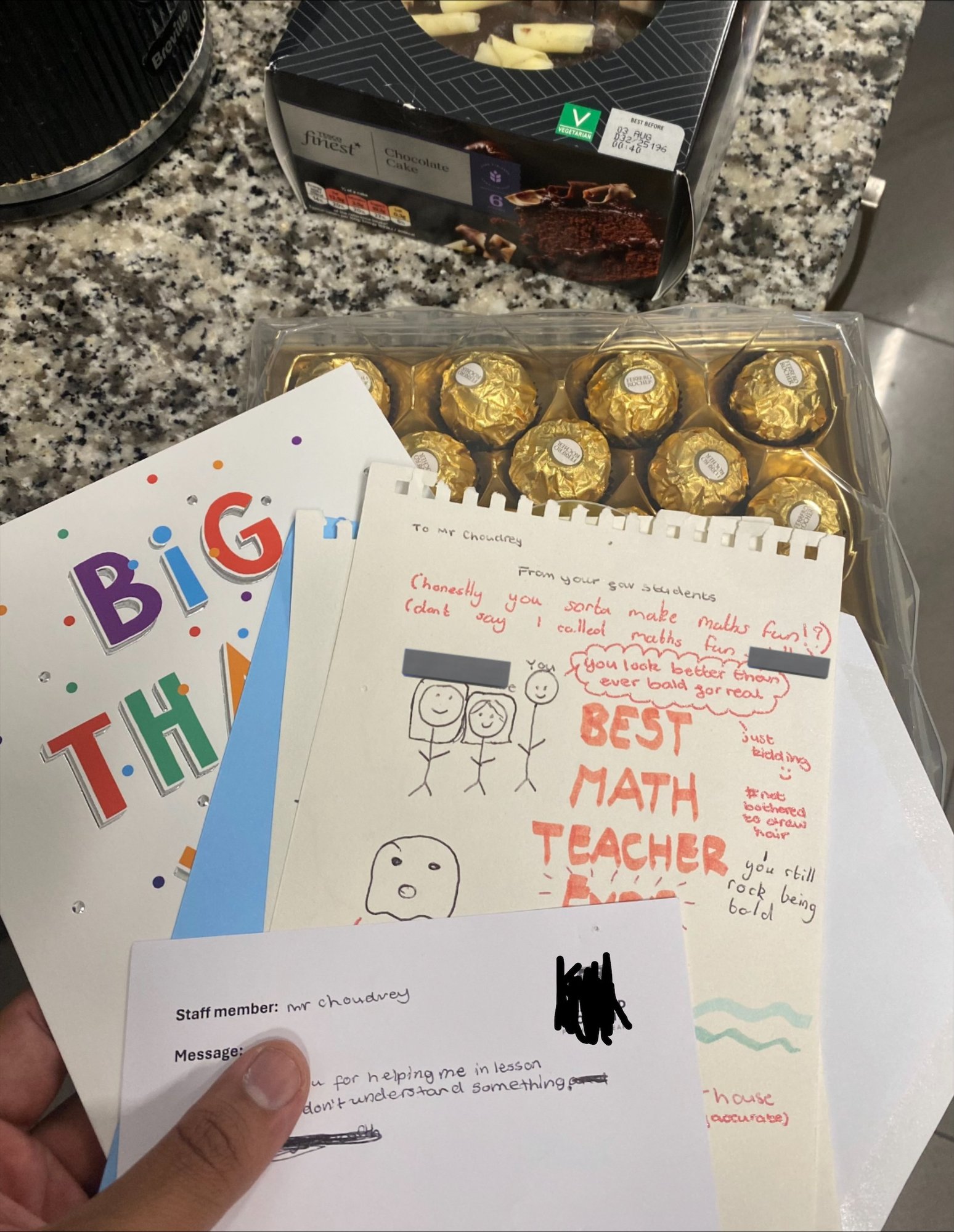
What Teaching Actually Looks Like
Teaching has given Kamraan some of his most rewarding experiences, but like any job that involves people, it's had its difficult moments too. Building genuine relationships with students has always been at the heart of how he teaches; taking time to understand each child, showing up consistently, and making sure every student feels cared for and valued.
That said, there have been challenging times. He remembers the students he struggled to reach despite his best efforts, the many days where the emotional weight of the job felt heavy, and all those moments where he had to navigate difficult situations with sensitivity and patience.
What those harder moments taught him is that caring deeply about your students means you feel the lows as well as the highs, and he wouldn't have it any other way. The connections he's made and the growth he's seen both in his students and in himself as a teacher, are what he carries
Beyond the Classroom
Outside school, Kamraan has been involved in supporting some of the most vulnerable people imaginable; orphaned children, individuals living with medical disabilities, and families displaced by conflict. He feels that working alongside these communities has been humbling and life-changing.
Many of the people he's had the privilege of helping have lost everything, yet their resilience and dignity in the face of unimaginable hardship has only deepened his commitment to this work. Whether providing practical support, a compassionate presence, or simply making someone feel that they matter, he's tried to show up with the same care and dedication he brings to his teaching.
He believes these experiences have shaped him profoundly, both as a person and as someone who works with people every day. They've reinforced something he learned early on through tutoring; that sometimes the most important thing you can do is simply show up and make someone feel seen.
The Through Line
If there's a pattern in Kamraan's life, it's that he’s drawn to the people who need support most and the situations where consistent care makes the biggest difference, such as students with additional learning needs, orphaned children, families who've been displaced, and people living with disabilities.
He doesn't do this work because it's easy. He does it because it matters. Because showing up for people who've been let down or overlooked or forgotten makes a tangible difference. And because the relationships you build when you genuinely care about someone's wellbeing are the ones that shape you as much as you shape them.
DESS College gave Kamraan a foundation. University helped him discover his passion for teaching. Teach First put him in a school where that passion could make a real impact. And his humanitarian work has shown him that the skills he uses in the classroom, such as patience, empathy, showing up consistently, making people feel valued, matter everywhere.
What Comes Next
On a typical day when he's not working, Kamraan goes to the gym and watches Arsenal play football. He's an avid fan, which requires its own kind of resilience given the club's tendency to break hearts as often as they raise hopes!
But mostly, he's focused on the work. Teaching students who need teachers willing to invest in genuine relationships, and supporting vulnerable communities who need people willing to show up with compassion and practical help.
Kamraan's sister, Misbah Choudry, currently attends College, which means the school is still part of his family's story. But Kamraan himself has moved on to a different kind of education; the kind that happens when you dedicate yourself to people who need you most.
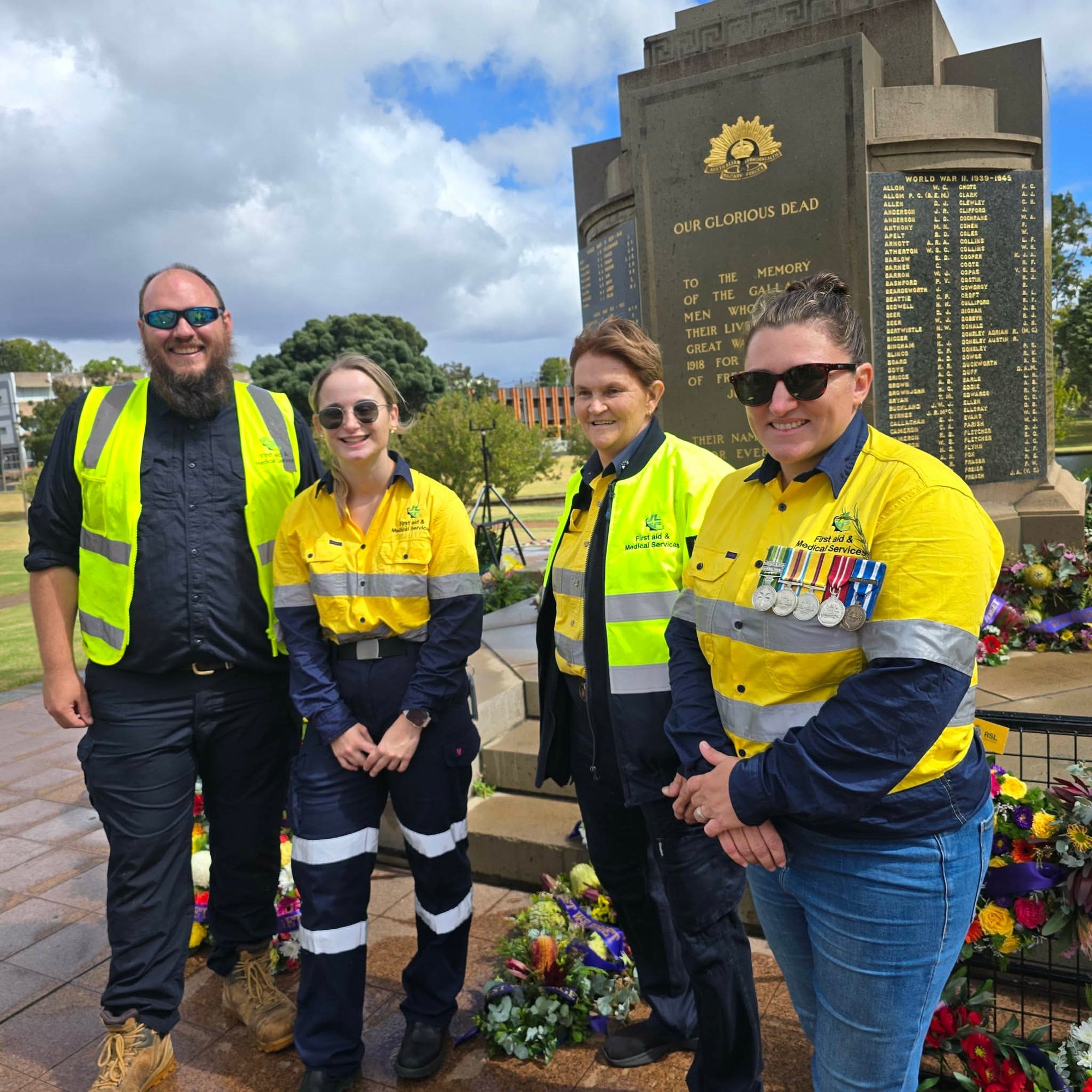
All Hands on Deck: Leading Beyond the School Gates
Nathan Randell
DESS College Inaugural Head Boy | International Development Worker | Music Director
Most people who become Head Boy get a nice line on their CV and some vaguely useful leadership experience. Nathan Randell ended up managing a medical ship in Papua New Guinea, coordinating healthcare delivery to remote communities that have no other access to doctors.
The connection between those two things isn't obvious until you look at what happened in between.
The Foundation Years
After graduating from College as its inaugural Head Boy in 2011, Nathan took a gap year working in the music department at College before heading to his native Australia for a six-month international missions programme with Youth With A Mission (YWAM) Townsville. He was then accepted to study a Bachelor of Asia-Pacific Security Studies (later International Security Studies) at the Australian National University in Canberra.
His College History and English teachers had given him the kind of writing and critical analysis skills that opened the door to the Honours programme, where he undertook research and produced a thesis on Fisheries Security in Solomon Islands. His leadership experience from College also served him well as inaugural Vice-President and later President of the ANU Association for Defence and Security Studies.
While studying, Nathan developed an interest in remote aviation and drone technology, working as a drone technician for a small drone supply and pilot training company. During this time, he also proposed to and married Kaylin, who had been a co-participant on the YWAM missions programme.
Papua New Guinea and the Medical Ship
Following university and a year in America living near Kaylin's family, Nathan and Kaylin joined YWAM Medical Ships, an international NGO operating alongside YWAM Townsville. YWAM MS operates a medical ship in Papua New Guinea, supporting national and provincial PNG health services in delivering essential primary healthcare, dental and eye health services to remote, rural areas where access is otherwise impossible.
Nathan's DESS education turned out to be excellent grounding for the variety of roles he'd take on. The leadership skills he'd developed at College came to the fore when he worked as Ship Manager for MV YWAM PNG, coordinating three-month outreach patrols with a multicultural crew of up to 130 medical, marine, and general volunteers. It required staying calm under pressure, communicating across cultures, and making decisions that affect people's lives and wellbeing.
When back at YWAM MS headquarters in Townsville, Nathan worked as part of the Program Management team, supporting Monitoring and Evaluation and Grant management. Here, the foundations he'd received in Maths, particularly Statistics and Decision Mathematics, had a chance to shine. He undertook project management, statistical analysis, and stakeholder communication roles, including reporting to government and business leaders from multiple nations.
Music as a Through Line
Anyone who knew Nathan during his time at College would recall his strong involvement in music. It hasn't just been important for developing leadership and public speaking skills – he feels it's been key to his overall wellbeing, and College played a significant role in opening those opportunities.
Throughout university, Nathan was consistently involved in the Musical Theatre society, performing in Cats and Monty Python's Spamalot, and helping produce and play in the orchestra for Miss Saigon. While in Townsville, he became a regular fixture in the viola section of the Barrier Reef Orchestra. His musical grounding also enabled him to arrange several productions for YWAM MS's Townsville-based community engagement team, PAC Productions, and to serve as Music Director for the Townsville-based iteration of the Global Leadership Summit.
Music wasn't a hobby on the side. It was stitched into everything else he did, providing balance, creativity, and a way to connect with communities wherever he found himself.
The Portfolio of Skills
Throughout this journey, Nathan remained aware of opportunities that presented themselves along the way. Through his work with YWAM, he became certified with a Certificate IV in Training and Assessment, enabling him to provide registered training in vocational training spaces. His previous work as a drone technician led to him becoming a licensed RPA (drone) pilot in support of efforts to implement an aerial drone-based logistics and resupply capability from the medical ship. While this capability hasn't yet been realised, Nathan has put the licence to use working occasionally for an agricultural drone company in the greater Darling Downs region in Southeast Queensland.
Being around the medical personnel on MV YWAM PNG was inspiring, prompting Nathan to develop skills in the medical arena. He holds advanced first aid certifications and works casually for an event first aid company alongside his YWAM work.
Never one to stop learning, Nathan is currently a remote part-time student with St Mark's National Theological Centre in Canberra, studying a Master of Theology with a focus on Church History.
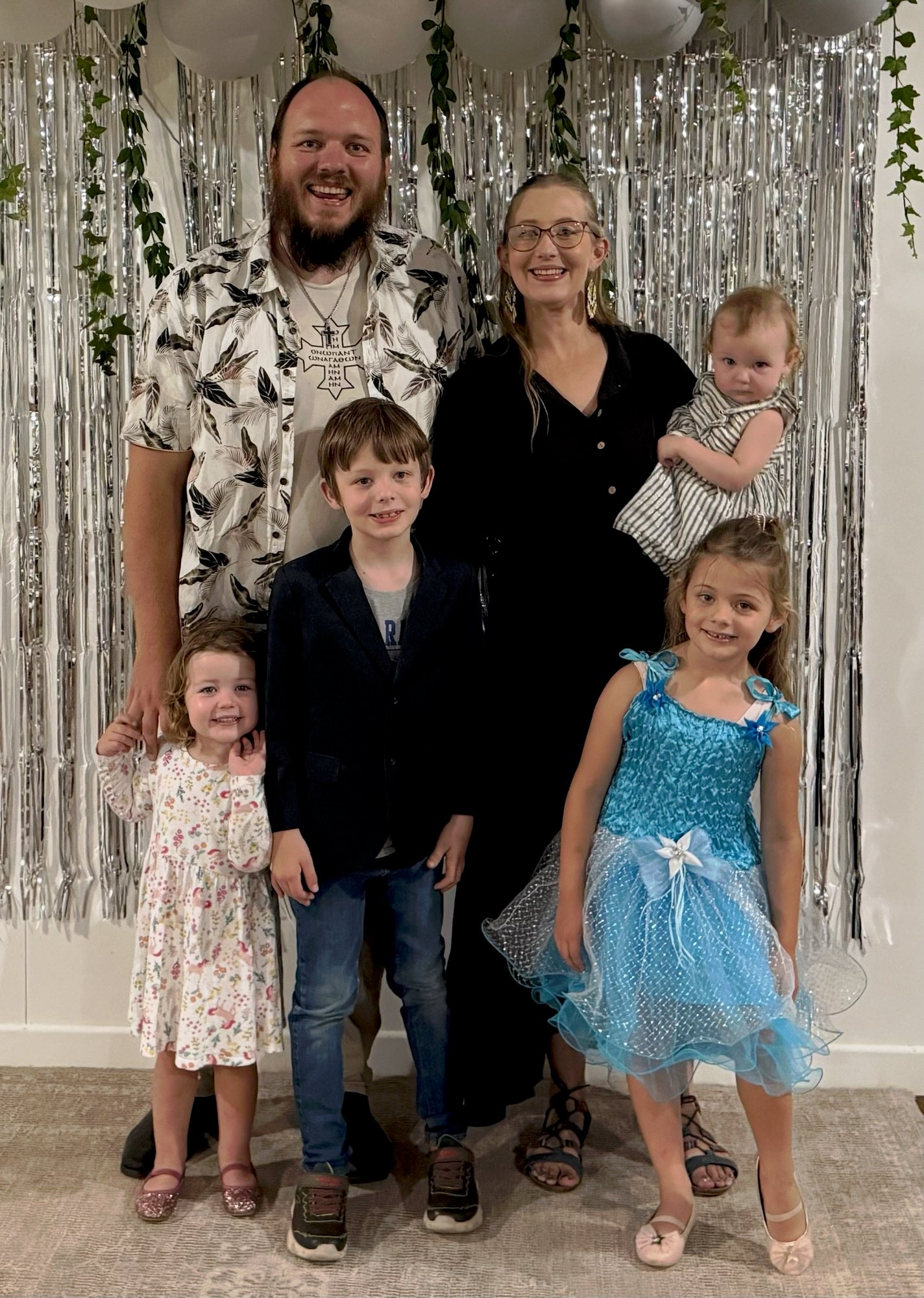
On top of all of this, Nathan and Kaylin have four children aged 8, 6, 3 and 1. While being a parent is a lot of work and effort, Nathan maintains that life is far richer with them along on the journey.
What DESS Built
Nathan remains deeply grateful to his teachers who invested in his development academically, personally and creatively. The History and English teachers who taught him to write and think critically, the Maths teachers who gave him the statistical tools he'd later use in healthcare monitoring, and the music programme that shaped not just his skills but his wellbeing.
But perhaps most importantly, College gave him the confidence to lead in situations where leadership actually mattered. Managing a multicultural crew on a medical ship in Papua New Guinea is a world away from being Head Boy at a Dubai school, but the foundations are the same: clear communication, cultural awareness and sensitivity, the ability to hold your ground when things get complicated, and the willingness to take responsibility for outcomes that affect other people.
Nathan Randell. College's inaugural Head Boy. Australian National University Honours graduate. Ship Manager in Papua New Guinea. Music Director. Licensed drone pilot. First aid provider. Theology student. Father of four. Someone who's taken everything a school can offer and turned it into a life of service, creativity, and genuine impact.
He calls it a fantastic foundation. Looking at where he's been and what he's built, that seems like an understatement.
The Headteacher, The Flat Tyre, and The Carpenter's Son
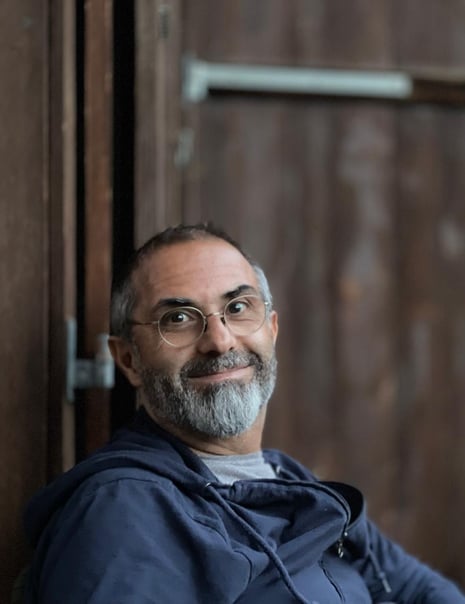
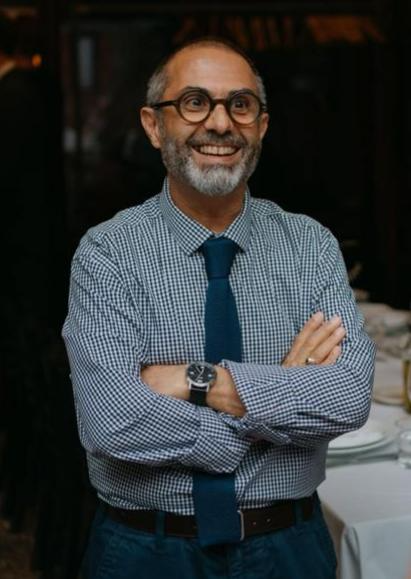
Omid Z Rouhani
DESS Early 1970s | Architect & Academic
Although Omid Rouhani was at DESS Oud Metha in the early 1970s - seven years after the school opened and four years after Dorothy Miles became its second Headteacher, his fond memories remain vivid.
He remembers one sweltering afternoon when she walked into their classroom because their regular teacher was unwell, with her two Highland terriers trotting behind her.
"Rather than simply continuing with an ordinary lesson, she asked the class whether any of us had ever seen a car tyre being changed. When we all said no, she marched us outside. While we stood beside her Peugeot 504, she demonstrated how to change a tyre - entirely by herself. She was amazing!”
It was a small moment in the rhythm of school life, but one that left a lasting impression on a young boy who would grow up to spend 25 years teaching at an all-female university.
The Trailblazer Who Built a School
Looking back now, Omid realises how significant it was to have such a strong female figure during the early and formative stages of his life.
“Miss Miles wasn't just a teacher and Headteacher. She was a trailblazer in the truest sense,” he recalls.
After losing her husband during the Second World War, she arrived in Dubai, then part of the Trucial States, to take over the running of DESS Oud Metha from its very first Headteacher; Harry Atkinson.
For a child growing up in 1970s Dubai, witnessing that kind of resilience and quiet courage mattered to Omid. The lessons weren't always in the curriculum. Sometimes they were outside in the heat, next to a Peugeot with a flat tyre!
The Carpenter's Connection
DESS was closely connected to Omid's family in another way. His father was the first carpenter in Dubai, and he built the original tables, chairs, bookcases, and blackboards for the school. The furniture that filled those early classrooms, the desks where students sat and learned, the boards where lessons were written; they were crafted by his father's hands.
From DESS to Zayed University
Years later, Omid went on to teach at Zayed University, which was initially established as an all-female university. He stayed for almost 25 years, playing a part in helping to empower and educate female Emiratis during a transformative period in the UAE's history.
In many ways, the values he developed at DESS continued to shape his professional path as both an academic and then later, as a practising architect. Resilience, service, and quiet courage were all qualities he’d found in Miss Miles.
He believes that being exposed to her example at such a young age may well have influenced the course of his life. He didn't just learn from strong women, he spent decades teaching them, supporting them, and watching them build careers in a rapidly changing country.
What Remains
The memories of DESS have always remained sweet for Omid. He remembers the building of the swimming pool, the wooden castle, the classrooms, and the many wonderful experiences that made the school such a special place. As an architect and academician, he can say with certainty that those foundational years at DESS played a huge part in shaping who he became.
There's something poetic about it. The carpenter's son who watched his father build the school's first furniture went on to become an architect himself. The boy who watched Miss Miles change a tyre spent 25 years teaching at a university dedicated to female education.
The lessons stuck. Not just the academic ones, but the ones about resilience, independence, and the quiet determination it takes to build something that lasts. And it all started nearly 60 years ago, in a classroom with two Highland terriers, and then on a hot afternoon when a Headteacher decided to teach her students something they'd never forget.
When Plan A Becomes Plan B (And That's Fine)
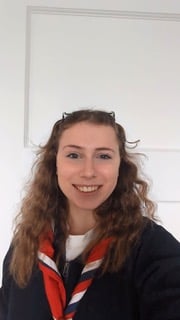
Darya Badman
DESS College Class of 2020
When Darya Badman graduated from DESS College in 2020 and moved to Cardiff to study Biochemistry, the timing could hardly have been worse.
Arriving in the UK during a pandemic meant navigating endless COVID tests, lockdowns, isolations, and ‘isolation’ hotels every time she flew back to Dubai for holidays.
Although it wasn't the fresh start most students imagine, living in Halls and meeting new people helped her find her footing. In fact, little did she know that learning to navigate problems she didn't expect, would become a skill that turned out to be so useful later on.
The Placement That Wasn't (But Was)
During her MBiochem Biochemistry degree, Darya was meant to do a placement year in Norway. She'd planned for it, organised it, and was ready to go. Then visa issues derailed everything, and instead of Norway, she ended up doing her placement in Cardiff.
It was frustrating at first, but it turned out to be a fantastic opportunity anyway. She worked on the population and landscape genetics of badgers in Norway while based in Cardiff, met lots of new people, and gained experience she wouldn't have had otherwise.
Or as Darya puts it: “It's the kind of pivot that teaches you how to make the best of what actually happens instead of mourning what didn't, and so in some ways is more valuable than any placement.”
The Balancing Act
University had its ups and downs. The bad parts were mainly exams, but she also encountered life in general doing what it does; which included forcing her to cope with the loss of three of her grandparents. To this day she remains grateful to her family for their endless love and support, and in awe of how the family was able to support each other through those times. On the flip side, the good parts were surf society, boxing club, and the kind of experiences you only get when you're willing to say yes to things that sound interesting.
As well as studying hard enough to emerge with a First, Darya worked as a bar supervisor and team leader at the student club while also working as an Assistant Biochemist for a Lipid Database. She volunteered in three roles: Vice President for the boxing club, boxing coach for the women's sessions, and BSO Middle East District Youth Lead. Her final year integrated master's project focused on optimising transformation methods for mentha biotechnology, which she says she found thoroughly enjoyable and a great opportunity.
Though it was the sort of schedule that would flatten most people, Darya had learned something at DESS that she believes carried her through - how to manage multiple commitments without losing sight of what really mattered.
What Came Next
Darya graduated with a master's in Biochemistry in 2025 and started full-time work a couple of months later as a Biobank Officer for Cardiff University Biobank. Though she enjoys working in the lab, she misses conducting her own research, and so was delighted to eventually be granted a place to study for a Disease Ecology PhD in Norway, which she starts this year (2026).
Ultimately, she wants to work in pandemic and epidemic crisis management with a focus on disease ecology, specifically infectious diseases and climate change. Which makes perfect sense when you think that she started university during a pandemic that fuelled her interest in epidemiology, watched healthcare systems strain under pressure, and navigated endless disruptions to plans that were supposed to be straightforward!
Adapting To Make It Work
If there's a pattern in Darya's story, it has a lot to do with the reality that things rarely go to plan, and that's fine. The placement in Norway became Cardiff and then led her back to Norway. The university experience became pandemic-era isolation and COVID hotels. And the supposedly ‘straightforward’ degree became a juggling act of work, volunteering, coaching and research. But she adapted, showed up, and made it work.
DESS and its amazing teachers (a special mention is needed for the ‘3 Ws’ music tutors who got her through her A levels!) taught her how to handle challenges with grace and resilience. University tested whether those lessons stuck. And it’s clear they did.
Now she's working in a biobank, starting a PhD, and aiming for a career in crisis management where adaptability is essential and it’s important to understand that Plan B can be just as good as Plan A. In fact, sometimes even better!
From Uncool to Unstoppable
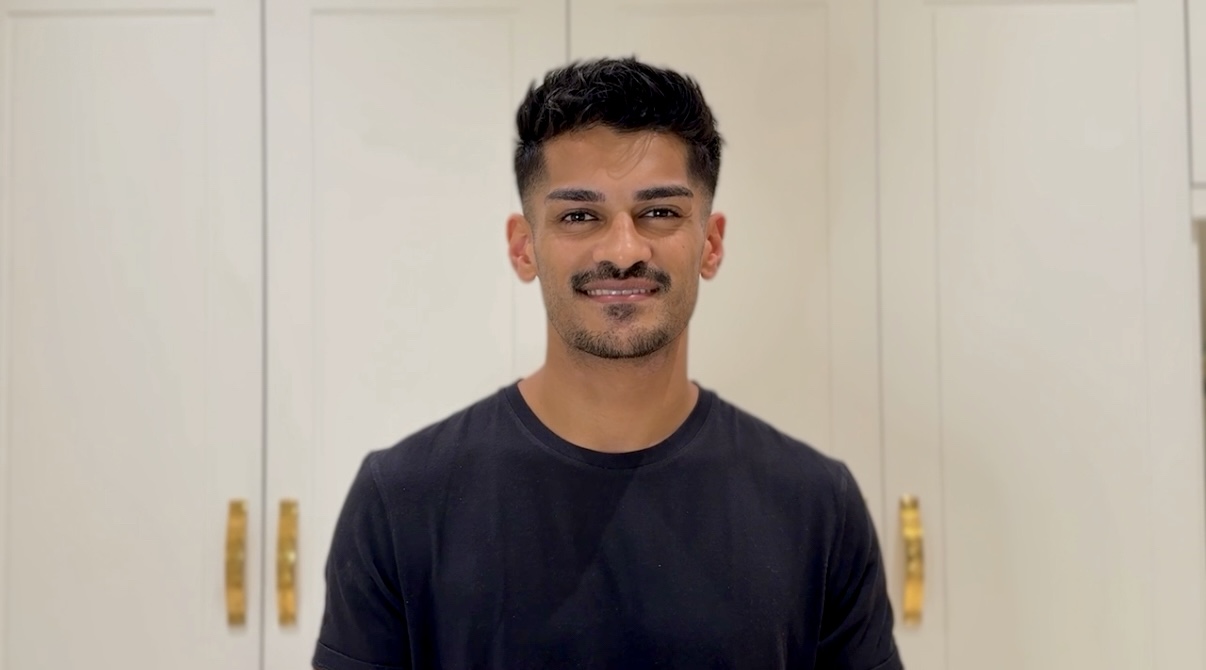
Ricky Singh
DESS College | NYU Tisch | Actor & Creator
Three months after graduating from DESS College, Ricky Singh was on a flight to New York City to begin studying theatre at NYU's Tisch School of the Arts. He still believes getting in was one of the most incredible feats of his life and remembers reading the first line of his acceptance letter.
“Rather than scream my lungs out, I just froze in shock,” he said. “NYU was my dream university, and processing that it had actually happened, took a very long moment!”
When he finally got to campus, it was an emotional experience, but in the best way. He knew he was among some amazing talent, and being able to stand his ground reassured him that he was good enough to be there and to continue pursuing a career as an actor. Being in New York itself, surrounded by so much art, creativity, and madness, made it feel like the greatest place on earth to be as a growing artist.
Four years as a theatre student at NYU Tisch followed before he graduated with an award for outstanding achievement and left with something more valuable than any qualification; the certainty that he belonged.
The Dance He Thought Was Uncool
During his time at NYU, Ricky joined a hip-hop and Bollywood fusion dance team called NYU Pandemonium, known to everyone as the Pandas. They travelled all over America competing against other universities, and it brought back Ricky’s love for dancing; something he felt he’d lost years earlier.
As a child, he'd attended dance class until the age of nine, then completely stopped because he didn’t think it was cool. It took a decade and a friend forcing him to try out for the Pandas, for him to realise how much of an impact dance actually had in his life. Once he got in, everything clicked back into place.
He still holds dance close to him as part of his weekly routine. What nine-year-old Ricky dismissed as uncool, nineteen-year-old Ricky rediscovered as essential. Funny how that works!
He just didn't know yet how many times he'd have to rebuild that version from scratch.
COVID, Dubai, and Waiting
Ricky graduated from university in 2020, right in the middle of COVID. Like so many others, he found himself back in Dubai, waiting for things to settle down. Personal reasons kept him there longer than expected, watching the world slowly open back up while trying to work out what came next.
He adds: “It's the kind of transitional space nobody plans for. You finish your degree ready to launch into your career, and then the world shuts down. You wait, you recalibrate, and you try to come up with Plan B while still holding onto Plan A.”
Mumbai and the Bollywood Dream
Starting from 2023, Ricky began going to Mumbai more frequently to audition and make his way into the Bollywood film industry. It's the kind of move that requires equal parts talent, persistence, and willingness to put yourself out there repeatedly in a notoriously difficult industry.
“Bollywood isn't just about acting,” he said. “It's about presence, charisma, dance, and the ability to command attention in a room full of people who all want the same thing you do.”
Fortunately, Ricky had spent four years at NYU Tisch learning exactly that, and years before that perfecting his moves with the Pandas.
The Portfolio Career
Alongside acting, Ricky is pursuing a career as a social media creator and working in the family business. It's the modern reality for most artists; you don't just do one thing. You build a portfolio of skills, income streams, and creative outlets that all feed into each other.
The social media work supports the acting. The family business provides stability. The acting fuels the creative content. The dance keeps him grounded and connected to what he loves. It all works together, even when it looks messy from the outside.
What DESS Started
Looking back, Ricky sees that DESS gave him the foundation to believe he could get into NYU in the first place. The confidence to audition. The work ethic to compete with the best. The resilience to come back after COVID derailed everything.
But more than that, DESS taught him something he'd need in New York, in Mumbai, and everywhere else; how to stand your ground when you're surrounded by people who are just as talented, just as hungry, and just as determined as you are.
THE LEAP: WHEN THE PLAN FALLS APART
Building Resilience That Actually Works
Here's something nobody tells you when you're exploring options for your your future: the plan will fall apart. In fact, not might. Will. Maybe it's a pandemic that shuts down borders. Maybe it's a visa that doesn't come through. Maybe it's a job offer that evaporates. Maybe it's a regional conflict that makes returning home complicated or puts your family under strain. Maybe it's just life doing what life does; which is refuse to follow the script you wrote for it.
The question isn't whether you'll face setbacks. The question is what you’ll do when they arrive.
What Resilience Actually Means
Resilience has become one of those words that gets thrown around until it loses meaning. You're supposed to 'build resilience' and 'bounce back' and 'stay positive' as if setbacks are just trampolines you can spring off with the right mindset. Just as well we all know that’s not how it works.
Real resilience isn't about bouncing back to where you were before. It's about adapting to a new reality when the old one isn't coming back. It's not a question of staying positive. It's about staying functional when things feel anything but positive. And it’s certainly not about being unbreakable. It's about breaking, then working out how to keep going anyway.
The alumni in this issue have lived this. Plans derailed by COVID, placements cancelled by visa issues, career paths interrupted by conflicts beyond their control, family situations complicated by regional instability. None of them bounced back unchanged. Instead, they all adapted, pivoted, and found new routes when the original one closed.
The Three Types of Adversity You'll Face
Not all setbacks are created equal, and resilience strategies that work for one type often fail for another. Understanding which kind you're dealing with helps you respond more effectively.
Acute adversity is sudden and contained. You fail an exam, a relationship ends, or perhaps you don't get the job you felt you’d interviewed well for. It hurts, but it has boundaries. You know what happened, you know when it happened, and you know roughly when you'll get over it.
Chronic adversity on the other hand, is ongoing and exhausting. Think of financial stress that doesn't get resolved, or a difficult work environment you can't leave yet, or maybe caring for an unwell family member. The problem here isn't the intensity of any single moment, it's the cumulative weight of dealing with something difficult day after day with no clear endpoint.
Finally, there’s what psychologists call ambiguous adversity; which many feel is the hardest because you don't know what you're dealing with yet. You've been made redundant but don't know if you'll find another job. Your industry is changing and you're not sure if your skills will still be relevant. There's conflict in your region and you don't know how it will affect your family, your studies, or your ability to travel. The uncertainty itself becomes the adversity.
Different types require different responses. Acute adversity needs processing and perspective. Chronic adversity needs sustainable coping mechanisms and boundaries. Ambiguous adversity needs you to act despite uncertainty rather than waiting for clarity that might never come.
What Actually Helps (And What Doesn't)
When things go wrong, people will give you advice. Most of it won't help, but here’s some that will.
Control the controllables
Attitude
Separate the problem from the feeling
You can feel terrible about a situation and still function. You can be scared and still make decisions. You can grieve what you've lost while simultaneously building what comes next. The feeling is valid but it’s the problem that needs addressing.
Relationships
Build a support system before you need it. Resilience isn't a solo sport. The people who recover fastest from setbacks aren't necessarily the toughest, they’re the ones who know who to call. Alumni networks matter. Professional contacts matter. Friends who'll let you vent without trying to fix everything matter. Build these relationships when things are fine, because scrambling to build them during a crisis doesn't work.
Accept that some things won't be okay, and that's okay. Not every problem has a solution. Not every setback leads to growth. Sometimes things are just hard and unfair and the best you can do is get through them without falling apart completely. That's enough. Getting through it is enough.
The Regional Reality
As we write, many people connected to the UAE and the wider Middle East have experienced a specific kind of adversity that doesn't fit neatly into any category. Regional conflicts create ongoing uncertainty. Travel becomes complicated. Family members face stress or danger. The place you call home feels less stable than it did.
If this has been your reality, a few things are worth saying clearly.
First, it's not melodramatic to be affected by this. Even if you haven’t been in immediate danger, having family or friends in affected areas, or simply carrying the background anxiety of regional instability, is legitimately difficult. Don't let anyone minimise that.
Second, you're allowed to function normally even when things aren't normal. Going to work, focusing on your studies, making plans for the future - none of this means you don't care or aren't affected. It means you're doing what humans do, which is continue living while carrying difficult things.
Third, if you need support, ask for it. Universities have counselling services. Employers have employee assistance programmes. Friends will listen if you let them know you need to talk. The stiff-upper-lip approach doesn't build resilience. It just delays the point when you finally admit you need help.
What This Means for DESS Alumni
You've already been through more disruption than most generations. COVID hit during crucial years of education or early career. Many of you have navigated family situations complicated by regional politics. You've watched career paths close and had to find new ones. You've dealt with border closures, visa complications, and plans falling apart through no fault of your own.
That's not fair. But it has taught you something valuable: how to keep going when things don't go to plan. How to adapt when the original route isn't available. How to make decisions with incomplete information. How to function while carrying things that are legitimately difficult.
These aren't skills you wanted to learn. But they're skills that will serve you for the rest of your life, because adversity doesn't stop after university. Jobs will be lost. Relationships will end. Health will fail. Plans will collapse. The people who thrive aren't the ones who avoid these things. They're the ones who've learned how to navigate them.
DESS gave you a strong foundation in academics, critical thinking, and communication. Life has given you an unwanted but thorough education in resilience. Together, those two things make you formidable.
A Final Word
Resilience isn't something you either have or don't have. It's something you build through the accumulated experience of facing difficult things and discovering you can handle them. Not easily. Not without cost. But you can handle them.
Every time a plan falls apart and you find another way forward, you're building that capacity. Every time something goes wrong and you figure out the next small step, you're proving to yourself that you can do this.
You may not bounce back to who you were before. You'll become someone different. Someone who knows what it takes to keep going when things get hard. Someone who's learned to function despite uncertainty. Someone who can look at a collapsed plan and start building a new one.