
DESS Connect
The Art Of The Pivot
Welcome to Issue 2 of DESS Connect, where we focus on the exploits of some of our 2015 leavers, and the decade of pivots, growth and discovery that has followed.
There's a peculiar kind of courage that doesn't get talked about enough in education. Not the courage to stick with a plan no matter what, but the courage to change direction when the plan stops working.
We spend years helping young people map out their futures. Subject choices. University applications. Career pathways. And all of that matters. But what we don't always prepare them for is the moment when the path they've chosen reveals itself to be the wrong one. Or when circumstances change it for them.
That's what this issue is really about. Not the neat, linear journeys we imagine at graduation, but the messier, more interesting reality of building a life that actually works.
In the pages that follow, you'll meet alumni who've pivoted more times than most people would dare to attempt.
Tara Chan-a-Sue was rejected by the Army twice, joined the Navy instead, and is now training to become a cardiothoracic surgeon. Roddy Bascaro studied medicine in Rome while learning Italian. Michael and Liam Beardsmore taught themselves mushroom farming during lockdown. Chris Riding has built a catering business that’s serving seven schools across Dubai. Former Head Girl Sophie Sowerby has moved from pharmacology to oncology marketing to nutritional therapy, and is now building a global ecosystem of private health and performance centres. Former Head Boy Matias Goodwin transitioned from audit at Deloitte to strategy consulting at Oliver Wyman. And Grace LeMarquand is working in Emergency Medicine in regional Australia.
All of them required the willingness to pivot when the moment demanded it.
A pivot is a recalibration. It's recognising when something isn't working and having the maturity to change course. It's seeing an opportunity that doesn't fit your original plan and being flexible enough to take it anyway.
What strikes me about every story in this issue is how often the foundations laid at DESS College show up in the pivots that follow. The resilience to keep trying after rejection. The adaptability to move countries, industries, roles. The curiosity to explore fields outside your original training.
These aren't accidental qualities. They're cultivated here, and they matter most when life doesn't go according to plan.
Our Alumni Network exists because we believe your journey doesn't end at graduation. It evolves. And sometimes, it pivots. Whether you're early in your career, mid-transition, or years into a path you never expected, we'd love to hear from you. Your story might be exactly what a younger alumnus needs to hear.
If you're interested in mentoring, offering internships, or simply sharing your experience, reach out to alumni@dess.sch.ae.
Success rarely follows the path you drew at eighteen. And that's not a problem. It's an opportunity.
Welcome to the journey.
Christopher Vizzard
Principal
Coming Home
The Class of 2015 Reunion!
Ten years is a long time. Long enough to build careers, move countries and work out what you're doing with your life. Or at least get closer to knowing!
So when our 2015 Leavers gathered in early December, it wasn't just a reunion. It was a reckoning with how far they had come.
They were greeted at the new Sixth Form Centre, where the College expansion gave them a glimpse of what today's students experience. The campus they left in 2015 has evolved, and so have they.
Old friends reconnected. Former teachers appeared. A nostalgic tour of the campus brought back memories; some sharp, some hazy - but all vivid enough to make the decade feel both impossibly long and strangely short.
Over refreshments, they heard from Deputy Headteacher Lucy Petith and Headteacher Matt Cotgrove, who reminded them why they had gathered in the first place.
They came together to remember that they left here ten years ago with qualifications and ambitions. But what they really took with them were the foundations they built together; resilience, curiosity, the ability to adapt when things don't go to plan. This magazine proves it. Every story is different. Every path has twisted. But they are all still moving forward, and that's what the College hoped for when they walked out of here in 2015.
Then came Matias Goodwin, former Head Boy, who spoke on behalf of the leavers with the kind of calm self-awareness that he brought to his College leadership role.
"Most of us left College thinking we had it sorted,” he said, reflecting on the event afterwards. “University, career, life plan; all mapped out and tied in a pretty bow. And most of us were wrong. But that's fine. We've pivoted, changed direction, surprised ourselves. Some of us are doing exactly what we planned. Most of us aren't. And we've all ended up somewhere interesting. Going back to College reminds us that the foundation was strong enough to handle whatever came next, even when we didn't know what that was."
The speeches were followed by more conversation, more laughter, more ‘remember when’ moments that only make sense to the people who were there.
And then they left. Back to their lives in London, Australia, Canada, Dubai, wherever they have landed. Back to careers in medicine, strategy consulting, catering, health innovation, emergency departments, fruit supply chains, AI sabbaticals.
The Class of 2015 scattered again. But for one afternoon, they were back where it started.
And it felt like home.
Getting Comfortable with Uncomfortable
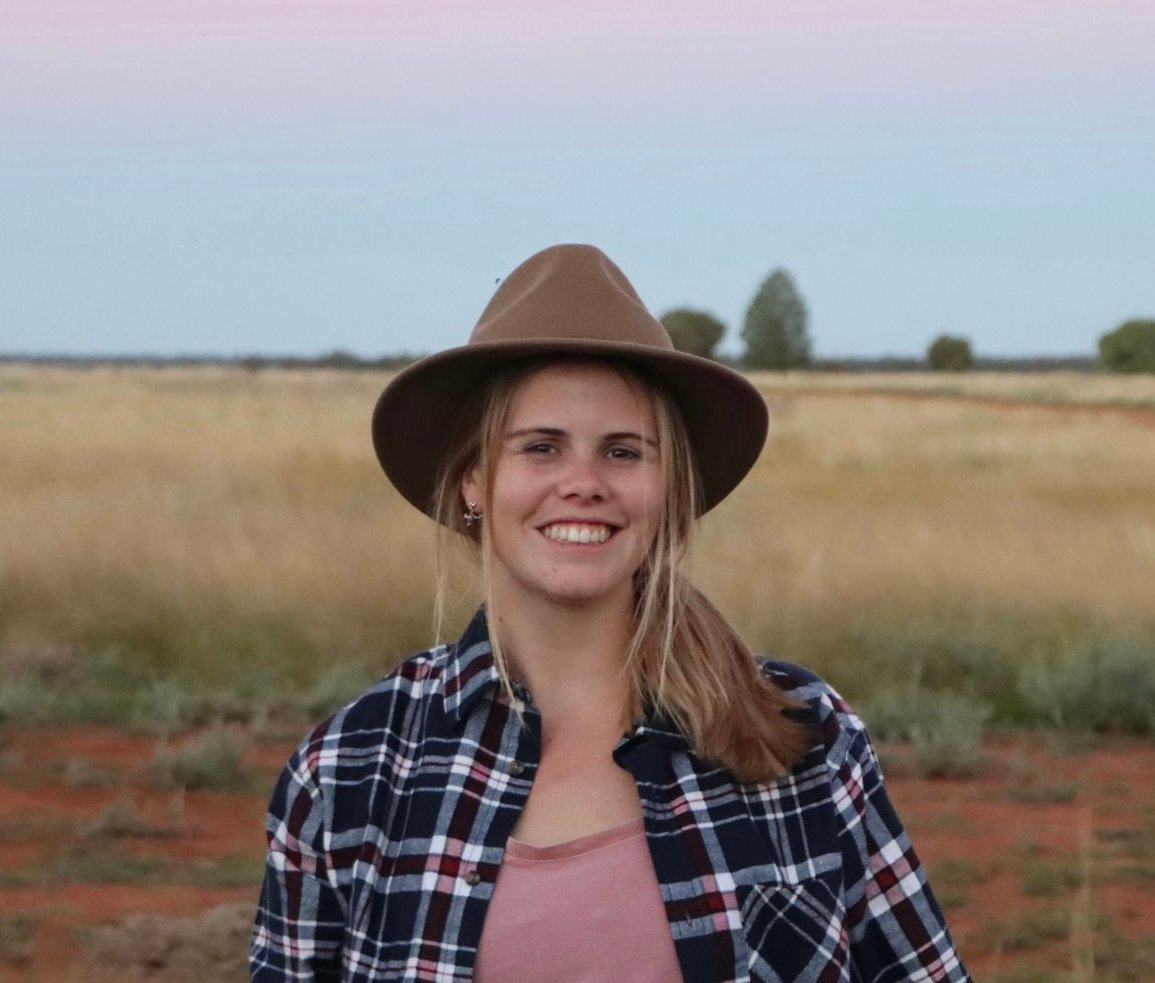
After leaving College in 2015, Grace LeMarquand spent eight months travelling around Australia, worked briefly as a teacher's aid in Dubai, then moved to Sydney in February 2016 to study Medicine at the University of New South Wales.
Six years later, she graduated as a doctor, threw a big party, and started work.
Then reality hit. Long hours. Gruelling shifts. Making decisions she felt too young to be making. Constantly feeling out of her depth.
She trained in Obstetrics for six months, delivered lots of babies, then realised becoming a surgeon wasn't for her. So she pivoted to Emergency Medicine.
Now she's in Dubbo, regional Australia, working in Emergency, studying for specialty exams and aiming for retrieval medicine. She still feels out of her depth most days.
But she's learned something important: that feeling doesn't go away. You just get better at working through it.
The Challenge No One Mentions
Moving to the other side of the world from your family is hard. Starting university in a city where almost everyone else grew up and already has their friendship groups, makes those first weeks even harder.
"Living on campus helped with meeting a much larger variety of people," Grace says. "And made the commute a little easier."
It's the kind of practical detail that matters more than you'd think. When you're exhausted from lectures and study, having your bed five minutes away instead of at the end of an hour-long commute, can be the difference between managing and barely surviving.
When Grace's parents moved back to Australia a few years into her degree, she moved back in with them. Not because she wanted to, necessarily, but because it made sense financially.
"The financial stress of a prolonged degree is often overlooked," she says. "Whilst friends start working and earning, you are often stuck in unpaid clinical placements."
It's a truth that doesn't get talked about enough. Medical degrees are long. Clinical placements are unpaid. Your friends from school are buying houses and taking holidays while you're working in a pub to cover rent and studying for exams that never seem to end.
And then you graduate, and it doesn't get easier. It just gets different.
The First Two Years
When Grace graduated in 2021, she was ready and raring to get started - but unaware of what laid ahead.
"My first two years as a junior doctor were incredibly challenging," she admits. "Long hours, shift work, and often feeling completely out of my depth."
This is the part they don't show in medical dramas. Not the heroic saves, but the quiet terror of being responsible for someone's life when you're twenty-four, exhausted, and not entirely sure you're doing the right thing.
But you do it anyway. Because someone has to.
The Pivot
Grace trained in Obstetrics for six months and enjoyed it far more than her first rotations.
Then she realised that becoming a surgeon wasn't for her.
It's a big realisation years into medical training. But recognising what you don't want is just as valuable as knowing what you do.
She transitioned to Emergency Medicine. Fast-paced. High-stakes. The kind of medicine where you think on your feet and trust your instincts.
Now she's studying for specialty exams ("exams never end!") and aiming for retrieval medicine - urgent patient transfers from regional areas to major hospitals. Challenging. Remote. High-pressure.
Exactly the kind of work that would terrify most people. But Grace has spent years feeling out of her depth. She's learned the feeling is part of the job, not a sign of failure.
Life in Dubbo
Grace is currently living in Dubbo, a regional city in New South Wales, with her partner and their golden retriever Brandy, who just turned one.
She works in the Emergency department. Studies for exams. Handles shifts that range from routine to absolutely chaotic.
"Many shifts make for some interesting stories," she says.
That's doctor-speak for: things get wild, and I can't tell you the details, but trust me, you wouldn't believe it if I did.
The Uncomfortable Truth
Here's what Grace wants people to know: "I still continue to feel a bit out of my depth."
But deep down, she knows that's fine.
The uncomfortable truth about medicine - and most careers - is that feeling out of your depth doesn't mean you're doing it wrong. It means you're being challenged. The doctors who never feel uncertain are either lying or dangerous.
Grace has made peace with that. She's working shifts that throw curveballs, studying for exams that never end and building a career that will never let her get comfortable.
And somewhere along the way, she stopped waiting to feel ready and started trusting she could handle it anyway.
What's Next
Retrieval medicine means more exams and more shifts in Dubbo's Emergency department. But with her partner and one-year-old golden retriever Brandy by her side (most of the time!), she knows she's on track.
Grace didn't leave College with a vision of working in regional Emergency Medicine. She left with a medical school offer and worked out the rest as she went.
She's learned that surgery wasn't her calling. That Emergency Medicine is. That feeling out of your depth is normal and maybe even necessary.
Grace LeMarquand. DESC Class of 2015. Emergency Medicine trainee. Still feeling out of her depth sometimes. Always showing up anyway.
Growing Something Real
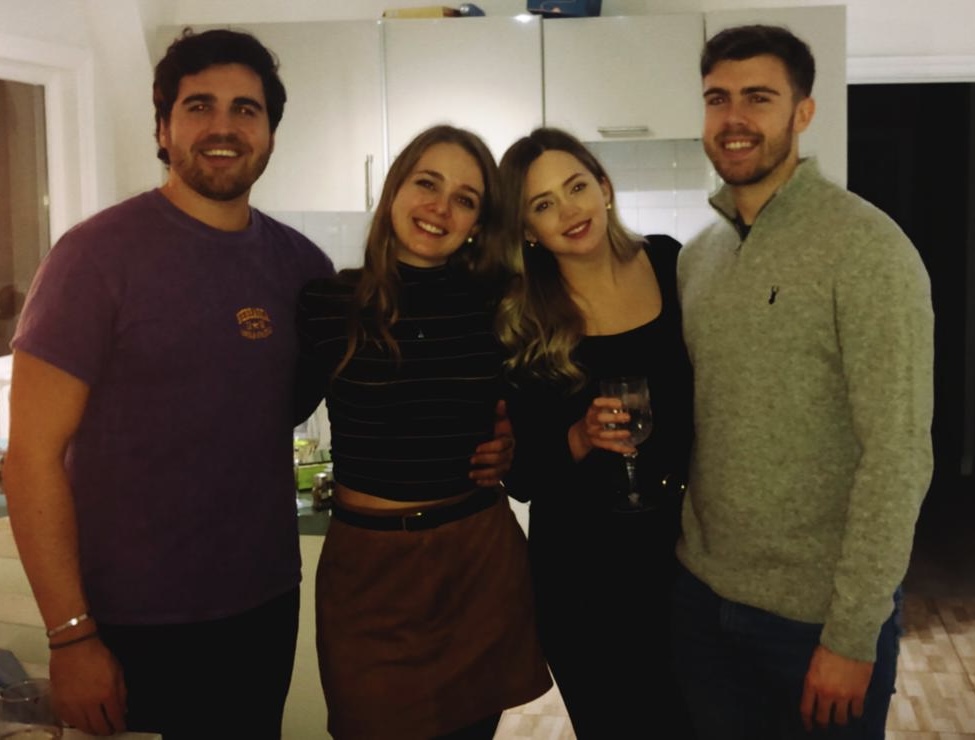
When Liam Beardsmore called his older brother Michael in 2021, he had a problem. Not the kind you solve with a weekend brainstorm or a motivational podcast. The kind that sits in your chest and makes Monday mornings feel longer than they should.
He'd done everything right. Graduated from DESS College in 2016, moved to Melbourne, earned his degree in Business Management at Swinburne, landed a placement job as a Data Management Consultant. The path was clear. The salary was fine. But none of it felt like his.
"I’m just not fulfilled," he told Michael. "I think we should grow mushrooms."
Michael, deep into his Masters of Sustainable Energy at RMIT, could have said no. Could have pointed out that neither of them had ever seen an oyster mushroom farm, let alone built one. Could have reminded Liam that Melbourne was in the middle of one of the world's strictest COVID lockdowns and the timing was absurd.
But he didn’t. Instead, he said yes.
The Farm That Shouldn't Have Worked
They pooled their money and drove two hours out of Melbourne to a friend's property. Tom Ward, another DESS College alumnus, had a run-down winery that wasn't being used for much. It became their laboratory.
For six months, they rebuilt it. Piece by piece. Wall by wall. Learning everything from YouTube videos because there was no one to ask and nowhere to go. Melbourne's lockdown meant they were stuck there anyway, so they might as well be stuck building something.
Their first mushroom grew in late 2021. It felt monumental. It was also misleading.
Travel restrictions kept them trapped in Dubai over Christmas and then for three months afterwards. When they finally got back, COVID had taken its toll and the farm they'd rebuilt was no longer theirs to use. They had to start again.
The Second Farm
This time, they went looking for a warehouse. Not in some distant rural area, but close enough to Melbourne to make the business work. They found one an hour out of the city. It wasn't perfect, but it was theirs.
They built the whole operation from scratch. Again. New systems, new processes - and some interesting new failures to learn from. After a few intense months, they had their first commercial mushroom farm.
Then the lease ended.
They relocated to a new warehouse, fifteen minutes from Melbourne's CBD. Third time, apparently, was the charm. This is where the business finally found its rhythm.
The Michelin Star Hustle
Michael and Liam started doing ten farmers markets a month. It was exhausting, face-to-face work. They also began walking into restaurants unannounced, asking head chefs if they'd like some free mushrooms to experiment with.
"It was uncomfortable at first," Michael admits. "Especially when we'd show up straight from the warehouse in our dirty farm clothes and find ourselves standing in a Michelin-starred kitchen."
But they got used to it. And slowly, the restaurants started saying yes.
Smith + Daughters. GIMLET. Supernormal. Farmers Daughters. Some of Melbourne's best kitchens became their clients. Chefs who cared about flavour and freshness found what they needed in the Beardsmores' product. Word spread.
They started running workshops, teaching people how to grow their own mushrooms. They set up small home growers with mini farms, supplying them with blocks so they could fruit mushrooms in their own spaces and sell at markets. It meant the brothers could pull back from doing ten markets a month themselves while still expanding the business.
They also started selling mushroom grow kits for home use. Nicely packaged blocks that let people grow gourmet mushrooms in their own kitchens. Another revenue stream. Another way to share what they'd learned.
For two years, Melbourne Mushrooms ran well. It paid their cost of living. It had momentum. It felt sustainable.
And then they decided to sell it.
The Next Bet
In 2024, Liam and Michael set up Inamo Direct, a supply chain business moving fruit from Zimbabwe to the Middle East. Blueberries, strawberries, oranges, lemons. Large quantities...and real logistics headaches!
The model is simple but effective: streamline the supply chain, make it transparent, and ensure farmers get more money back. In the last three months alone, their back-to-farm payments have been approximately 50% higher than the old exporters were offering.
It's working. In their second year, they've imported and distributed over 100 tonnes of blueberries and 100 tonnes of lemons. They're expanding to new farmers and new countries every month.
Melbourne Mushrooms will be sold in early 2026. Michael will join Liam full-time at Inamo Direct. Another pivot. Another calculated risk. Another decision that probably looks stranger from the outside than it feels from the inside.
What Stays the Same
There's a thread that runs through all of this. From that first phone call about mushrooms to the current work with Zimbabwean farmers. It's about finding something that needs doing, learning how to do it and building the thing properly.
The Beardsmore brothers didn't start with a grand plan. They started with a conversation, a run-down winery, and like so many of their College contemporaries, a willingness to work things out as they went. They've rebuilt twice. Relocated three times. Learned by doing, by failing, by adjusting.
Now they're doing it again, with a different product and a different scale - but the same mindset.
Liam graduated from DESS College in 2016. Michael graduated in 2015. Neither of them could have predicted this path. But they've walked it together, which turns out to matter more than having the perfect plan from the start.
No Clear Plan (And That’s Fine!)
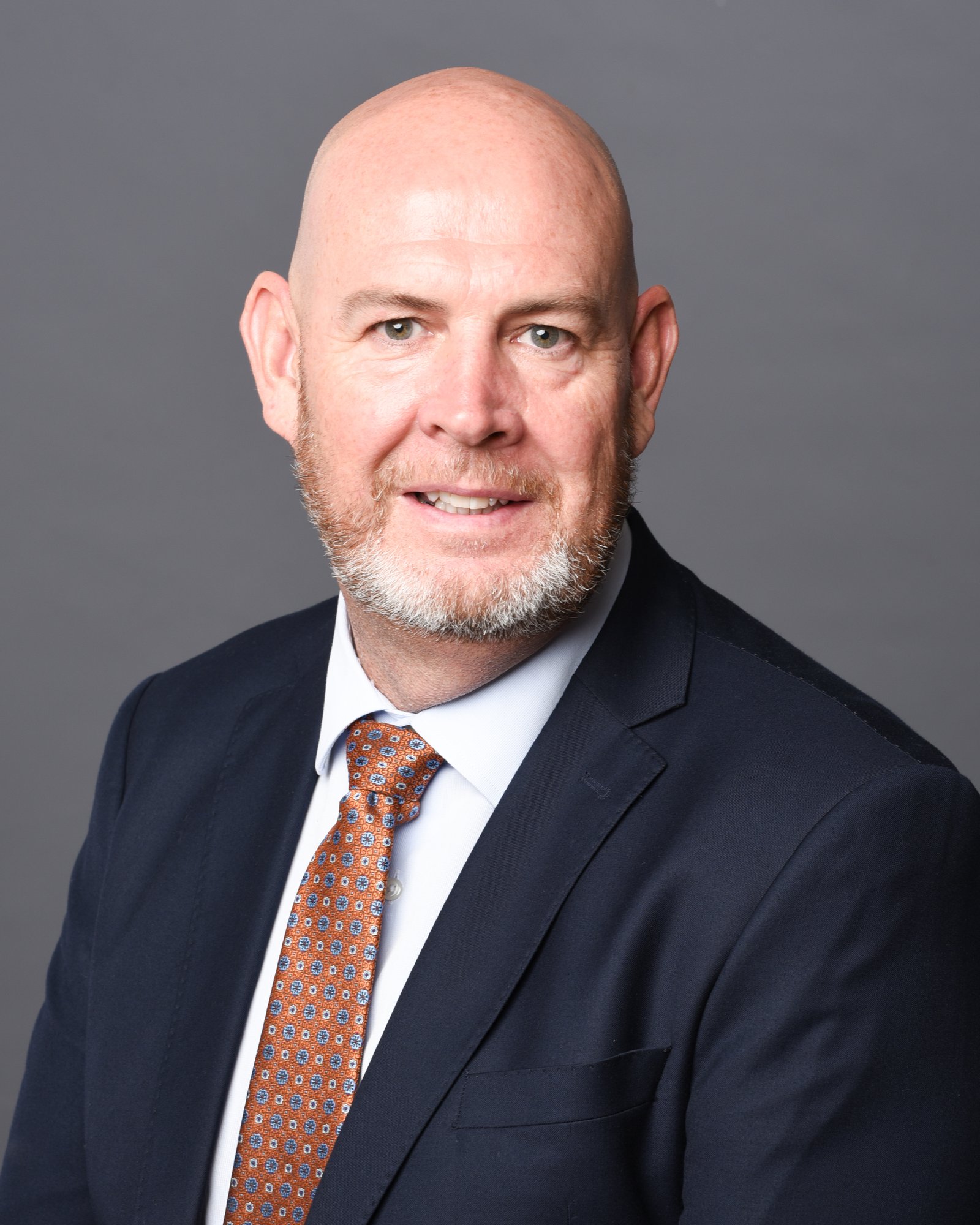
Matias Goodwin spent three years at Durham getting his bones broken on the rugby pitch, and playing academic catch-up after taking ‘first year doesn't count’ a bit too literally.
Then he graduated without a clear plan, landed in audit at Deloitte, spent three years there, realised it wasn't his calling, and pivoted into strategy consulting at Oliver Wyman.
Now he's on sabbatical developing AI and machine learning skills because he knows it's the future. And somewhere in all of that, he proposed to his fiancée Alex and is planning a 2027 wedding that his mother, Sol, is anticipating with characteristic Latino calm.
If you're looking for a tidy narrative about someone who knew exactly what they wanted at eighteen and executed the plan flawlessly, this isn't it.
But if you want another example of what it actually looks like to work things out as you go, keep reading.
Durham: Rugby, Reality Checks, and Catching Up
The 2015 leavers’ Head Boy, Matias moved back to the UK to study Philosophy, Politics and Economics at Durham. Three of the best years he's had, he says now. He met his eventual fiancée. Made lifelong friends. And learned a few things the hard way.
First: rugby is not a sustainable hobby. Multiple muscle tears and broken bones across three years confirmed this.
Second: the amazing friends you meet in first year aren't always the ones who stick. "If you don't find your people straight away, don't worry," he says. "They will be there."
Third: first year absolutely does count. "People always say your first year doesn't count and make sure to have fun. I took this very literally and was playing catch-up for the remaining two years. So, make sure to have a balance."
It's the kind of advice you can only give after ignoring it yourself.
London: Deloitte, Josh Jenking, and the Audit Years
Like many students, Matias graduated without really knowing what he wanted to do. So he applied to multiple jobs and industries that would take him to London and landed in audit at Deloitte.
The main benefit? Reconnecting with Josh Jenking, a fellow DESS College alumnus. For reasons neither of them can quite understand, they hadn't seen each other during the three years at university. "I think we were both stubborn about whose university night out was better," Matias admits.
He spent three years at Deloitte, met great people, and studied for his accounting qualification. But eventually, he realised audit wasn't his long-term calling.
So he moved into strategy consulting at Oliver Wyman.
The Pivot That Felt Risky But Wasn't
At the time, leaving Deloitte felt like a big decision. "Potentially putting myself back three years career-wise," he says. But he's happy with it now.
The work was interesting. He travelled. He was involved in projects across sports and entertainment. And he learned that sometimes the move that feels like a step backwards is actually a step sideways into something better.
Now he's on sabbatical, upskilling in AI and machine learning. "I think we all know that this is set to be the air that we breathe," he says. "Watch this space."
What Seven Years Post-University Actually Looks Like
Here's what Matias wants younger alumni to know: "In the last seven years post-university, I have seen so many friends like myself still fathoming out their careers. If you don't have it all sorted yet, most of us didn't either and we have all ended up ok."
It's an important message, especially for anyone who feels behind. The truth is, most people don't have a clear path at twenty-two. Or twenty-five. Or even thirty. They try things. Some work. Some don't. They adjust.
Matias didn't know audit wasn't for him until he did it. He didn't know strategy consulting would be a better fit until he tried it. And he won't know what role AI and machine learning will play in his career until he finishes this sabbatical and sees where it leads.
That's not a failure of planning. That's how careers actually work.
The Personal Update
The most important update: Matias proposed to Alex this year. They're planning a 2027 wedding.
"Anyone who remembers my crazy Latino mother, Sol, can imagine how calmly she reacted when we told her the news," he says.
And Josh Jenking, the DESS College alumnus he reconnected with in London after three years of mysteriously avoiding each other at university? He'll be best man.
Full circle. Slowly. Messily. But full circle nonetheless.
The Takeaway
Matias didn't leave College with a ten-year plan. He left with a degree offer and a willingness to embrace change.
Along the way, he found the friends who stuck, the partner he's marrying, and the self-awareness to know when something isn't working and pivot accordingly.
Not every story needs to be linear. Some of the best ones aren't.
Matias is still experimenting. So are most of his friends. And they've all ended up ok.
If you're reading this and feeling uncertain about your own path, that's probably the most useful thing to remember.
The work continues. So does Matias. And so will the wedding planning under Sol's watchful eye.
Four Countries. One Calling
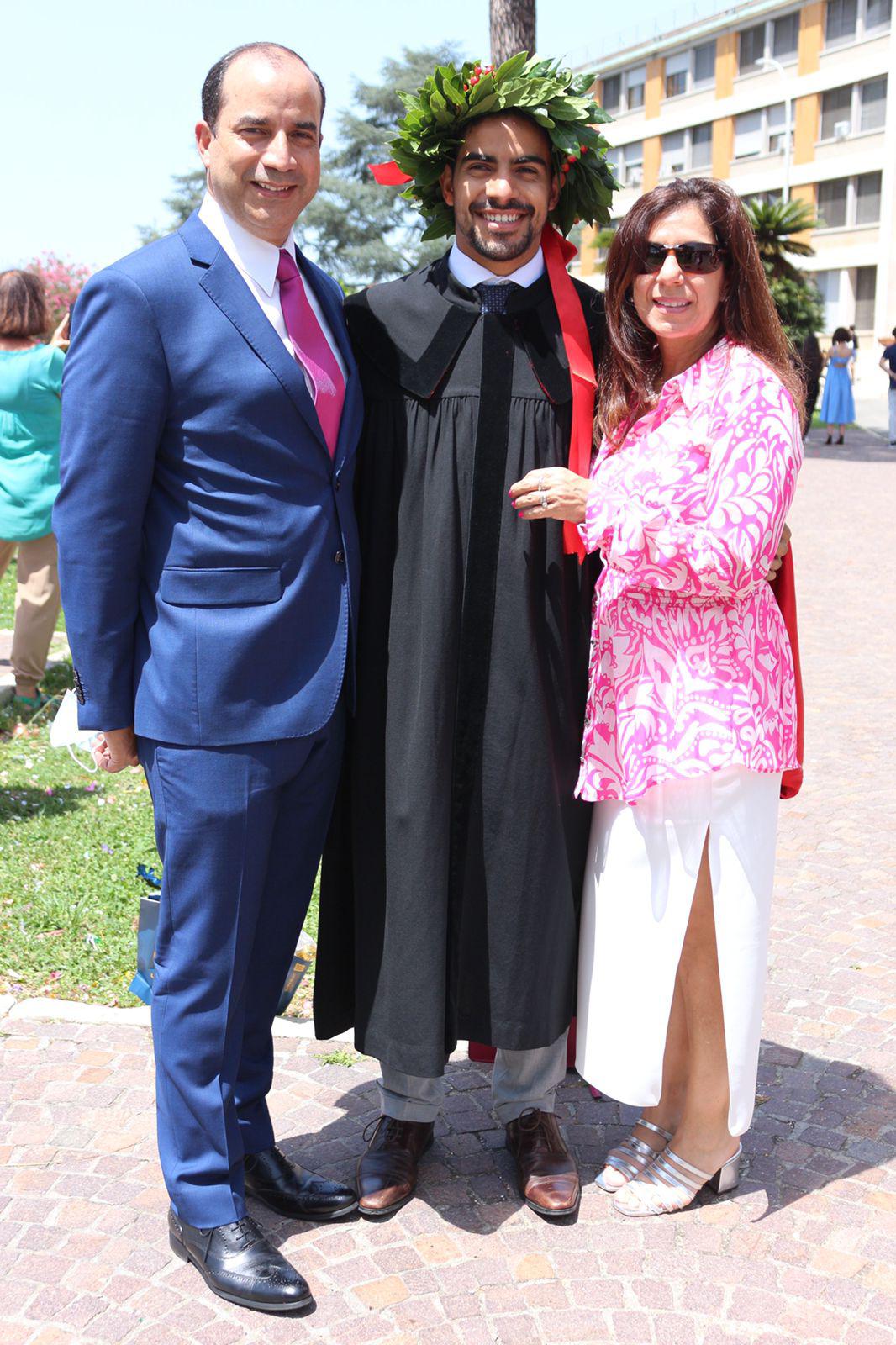
Roddy Bascaro left DESS College and flew to Rome to study medicine in English while simultaneously learning Italian. Just like any other Guatemalan teenager trying to become a doctor!
The plan was straightforward enough: six years of medical school, get fluent in Italian by year four, graduate, save lives. Simple.
Then COVID-19 hit Italy first, and simple went out the window.
The Early Days: Rome, English, Italian, and a Pandemic
Most students worry about passing exams. Roddy had to pass them while learning an entirely new language on the side. By fourth year, he needed to be fluent enough to interact confidently with patients. Now that’s real pressure.
He made it work. But then 2020 arrived, and he found himself watching hospitals buckle under COVID's weight. Not from the news. From inside.
"Eye-opening doesn't even begin to cover it," he says.
He graduated in 2021, writing and then presenting a thesis on alternative interventions for aortic valve replacements to a panel of experts.
Graduation should have been a moment to exhale. Instead, Roddy packed his bags and headed to the UK.
The NHS Deep End: Darlington, Respiratory Wards, Pandemic Chaos
Roddy joined the NHS Foundation Programme in Darlington, a town in the North East that most people have heard of but that many might struggle to place on a map. He started on the respiratory wards in the middle of the pandemic, as a newly qualified doctor in a new country with new systems and new guidelines.
"It was a very steep learning curve, to say the least."
But steep curves tend to teach you fast. While navigating all of that, Roddy still managed to present an audit on the management of early-onset colorectal cancer at two international conferences. He also created a teaching series for newly qualified doctors on recognising clinical emergencies in surgical patients. That resource is still in use at the hospital.
Not bad for someone learning the ropes.
Edinburgh: Where Things Got Serious
After his foundation years, Roddy moved to Edinburgh and became a Clinical Fellow in the Emergency Department at the Royal Edinburgh Hospital, a tertiary centre. Translation: the place where the really complicated cases end up.
Gunshot wounds. Stab wounds. Car accidents. Stroke calls. Every acute emergency you can imagine, and a few you probably can't.
"It was full-on and formative."
This is where Roddy went from competent to confident. From following protocols to making calls. From assisting to leading. Edinburgh didn't just test his medical knowledge. It tested his nerve.
He passed.
Australia: Because Why Stop Now?
After Edinburgh, most people would settle. Maybe take a breath. Find a nice consultant post somewhere familiar.
Roddy moved to Australia.
First stop: Brisbane. He worked as a General Surgical Registrar for a year. When he was on call, he was the first point of contact for the entire hospital and local GPs for anyone needing urgent surgical assessment or intervention.
That meant making big decisions. Who needs surgery now? Who gets admitted? Who can wait for a clinic appointment? He scrubbed into surgeries regularly. He performed several on his own: incision and drainage of abscesses, appendectomies, assisting with bowel resections.
It was high-stakes, high-responsibility work. The kind that either breaks you or builds you into someone unshakeable.
Then he decided to locum around Australia.
Rural Medicine: The Deep End, Revisited
Roddy worked in several ‘country’ hospitals, treating large Aboriginal communities and navigating the unique challenges of remote medicine. Air retrievals became part of the job. Managing fractures solo. Heart-wrenching cases of domestic violence that you carry home with you.
"It's a different kind of medicine out there," he says. "You don't have backup five minutes away. You're it."
Rural work taught him something urban hospitals can't: how to make do. How to trust your instincts when the textbook answer isn't available. How to hold your ground when things go sideways and there's no one else to call.
The Next Move: Canada
As of now, Roddy is preparing residency applications for General Surgery and General Practice in Canada. He and his partner are planning to finally put down some roots.
Four countries. Three healthcare systems. Two specialties under consideration. One very winding road from DESS College to wherever he ends up next.
What the Journey Teaches
Roddy's story is about first finding yourself, and then building yourself, bit by bit, across continents and contexts and crises.
He started out curious. And willing. Willing to move to a country where he didn't speak the language. Willing to walk into a pandemic-hit respiratory ward as a junior doctor. Willing to take on emergency cases that would make most people freeze. Willing to keep moving, keep learning, keep testing his limits.
There's no single moment where he ‘arrived.’ Just a series of decisions to show up, adapt, and push forward.
From Rome to Darlington to Edinburgh to Brisbane to the Australian outback. From learning Italian to leading surgeries. From thesis defences to domestic violence cases in the middle of nowhere.
It's not the path you'd draw on a careers plan. But it's the path that works when you're more interested in what you can learn than where you'll land.
Roddy doesn't know yet where his career will settle. But he's already proved something more important: that he can handle whatever comes next.
Wherever that happens to be.
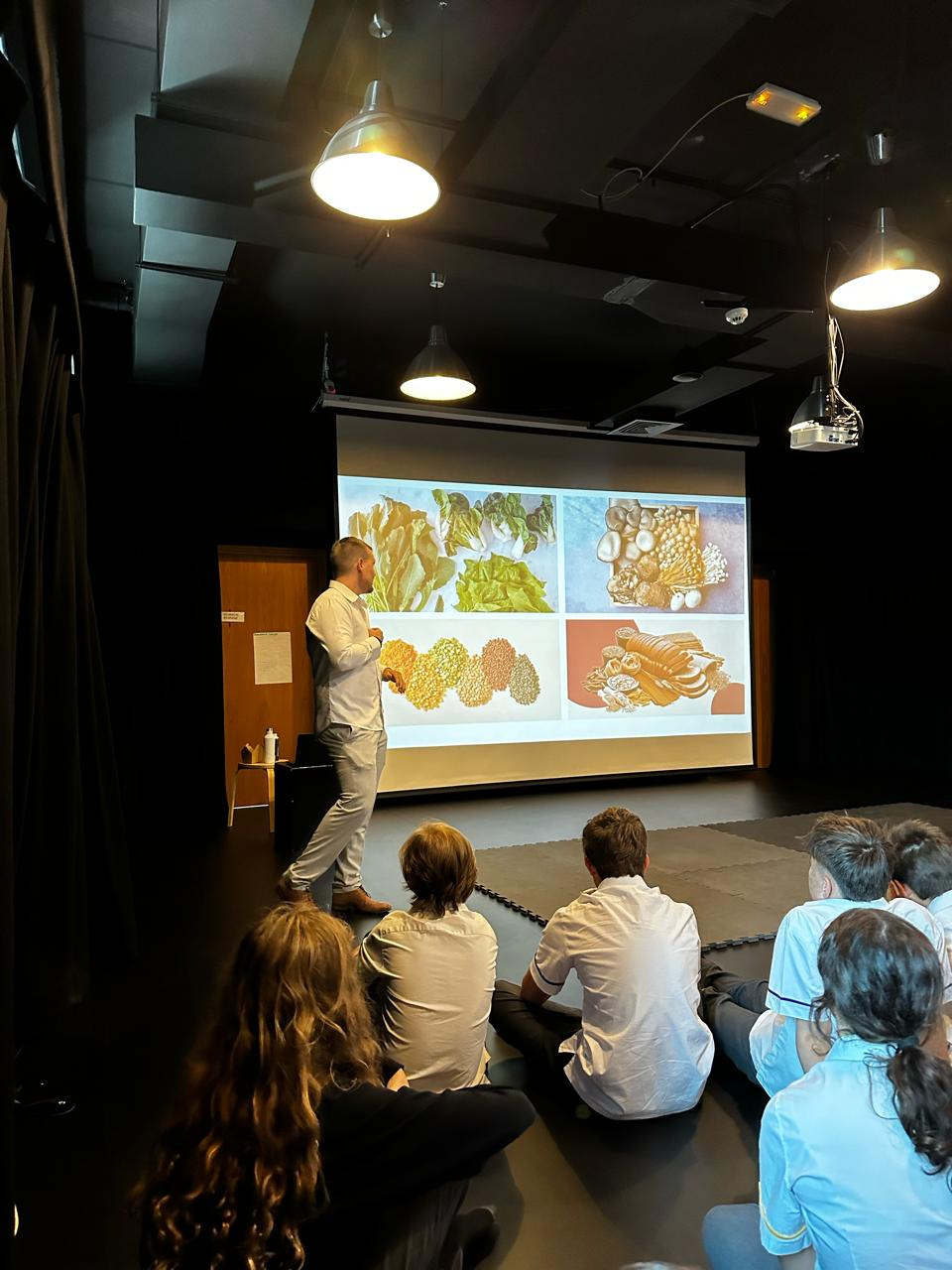
From the Staffroom to the Kitchen
Not many businesses start with a father-son conversation during a global lockdown. But that's how Harness Foods was born in 2020.
Rob and Chris Riding, stuck at home like everyone else, decided to build a way to connect people through food - at a time when connection felt harder than it had in generations.
Chris had just returned to Dubai from Manchester, where he'd been studying Economics. The timing wasn't planned because the pandemic wasn't. But the Ridings had lived in Dubai for over two decades, and they saw something most people missed during those strange months: an opportunity.
Schools needed reliable catering. Families needed wholesome meals. Communities needed something to hold onto. So Chris and his father started small. One school, a handful of staff, and a clear mission: to create healthier, more sustainable catering by connecting communities through food that actually matters.
What began as a lockdown idea is now a thriving operation serving seven schools across Dubai, employing 75 people, and catering up to 50 events per week.
And in 2022, Chris's brother Josh left his job as a PE teacher at DESS College to join them.
The Teacher Who Became an Operator
Josh knew the College inside out. He'd taught there, so he understood what students needed, what teachers wanted and what parents cared about. He also knew that most school catering felt like an afterthought; functional at best, forgettable at worst.
When Chris and Rob asked him to join Harness, Josh saw a chance to change that. Not from the staffroom, but from the kitchen.
He came in as Managing Director, overseeing daily operations, kitchen management and brand execution. It was a huge shift. Teaching is about relationships and routines. Operations is about logistics, margins, and keeping 50 events per week running smoothly while managing multiple school contracts.
But Josh's teaching background turned out to be his greatest asset. He understood the rhythm of a school day. He knew when students were ‘hangry’, when teachers needed a decent coffee, and when parents wanted reassurance that their kids were eating well. That insight shaped how Harness operates.
"People think catering is just about the food," Josh says. "But it's really about understanding the people you're feeding."
%20and%20Chris%20Riding.png?width=1440&height=1800&name=Josh%20(left)%20and%20Chris%20Riding.png)
The Commercial Mind and the People Person
Chris and Josh make an effective team precisely because they're different.
Chris, as Commercial Director, oversees finance and growth strategy. He's the one building relationships with new schools, negotiating contracts, and thinking three years ahead. Economics degree, strategic mindset, always asking: "How do we scale this without losing what makes it work?"
Josh is the opposite end of the operation. He's in the kitchens, with the staff, solving problems in real time. His creativity and people-focused leadership style have shaped Harness's culture. He's the reason staff stay. The reason school communities feel like Harness actually cares.
Between them, they've built something that feels rare in corporate catering: a company that schools actually want to work with.
What Lockdown Taught Them
Starting a business during COVID meant learning to adapt before they'd even established a routine. Supply chains collapsed. Events were cancelled. Schools closed, reopened, closed again. Normal didn't exist.
"It forced us to be flexible from day one," Chris says. "We couldn't rely on the old model of how catering works. We had to figure out what people actually needed in that moment."
What people needed was reliability. Consistency. The sense that someone was paying attention. So that's what Harness became.
They didn't just deliver food. They checked in. They adjusted menus. They listened when the school said something wasn't working. They treated catering like a partnership, not a contract.
And when the world opened back up, they kept doing that.
The College Connection
Chris left DESS College in 2015. Josh taught there before joining the business. And now Harness serves multiple schools, including the one that shaped both of their paths.
"There's something full-circle about it," Josh admits. "I spent years in the staffroom at the College. Now I'm the one making sure the food's right."
It's not nostalgia. It's accountability. When you're serving the school where you used to work, where your brother went, where your family has roots, the standards are personal.
And that's the point. Harness isn't trying to be the biggest catering company in Dubai. They're trying to be the one that schools trust, students enjoy and communities rely on.
What They're Building
Seven schools (they’ve never lost a school contract). Fifty events per week. A team of 75 that’s growing. Plans to expand.
But the mission hasn't changed since that lockdown conversation in 2020: connect communities through wholesome, nutritious food.
Chris handles the strategy. Josh runs the business and its operations. Rob, their father, remains involved as the founder who saw the opportunity first.
Together, they've turned a pandemic pivot into something sustainable. Not just financially, but in the way they operate. They hire well, they train properly and they care about the details that most caterers overlook.
"We're not reinventing food," Chris says. "We're just doing it properly. With care. And for the right reasons."
Josh nods. "And if it tastes good, people tend to notice."
The Long Game
The Ridings aren't interested in shortcuts. They could have scaled faster, cut corners, gone after bigger contracts with thinner margins. But that's not the business they want to build.
"We're in this for the long term," Chris says. "Which means doing it right, even when it's harder.
Josh agrees. "You can't fake caring about the communities you serve. Either you do, or you don't. And if you don't, they'll figure it out pretty quickly."
From lockdown idea to seven-school operation. From teacher to Managing Director. From one family's conversation to a company that feeds thousands.
The work continues. So do the Riding brothers.
From Head Girl to Health Innovator
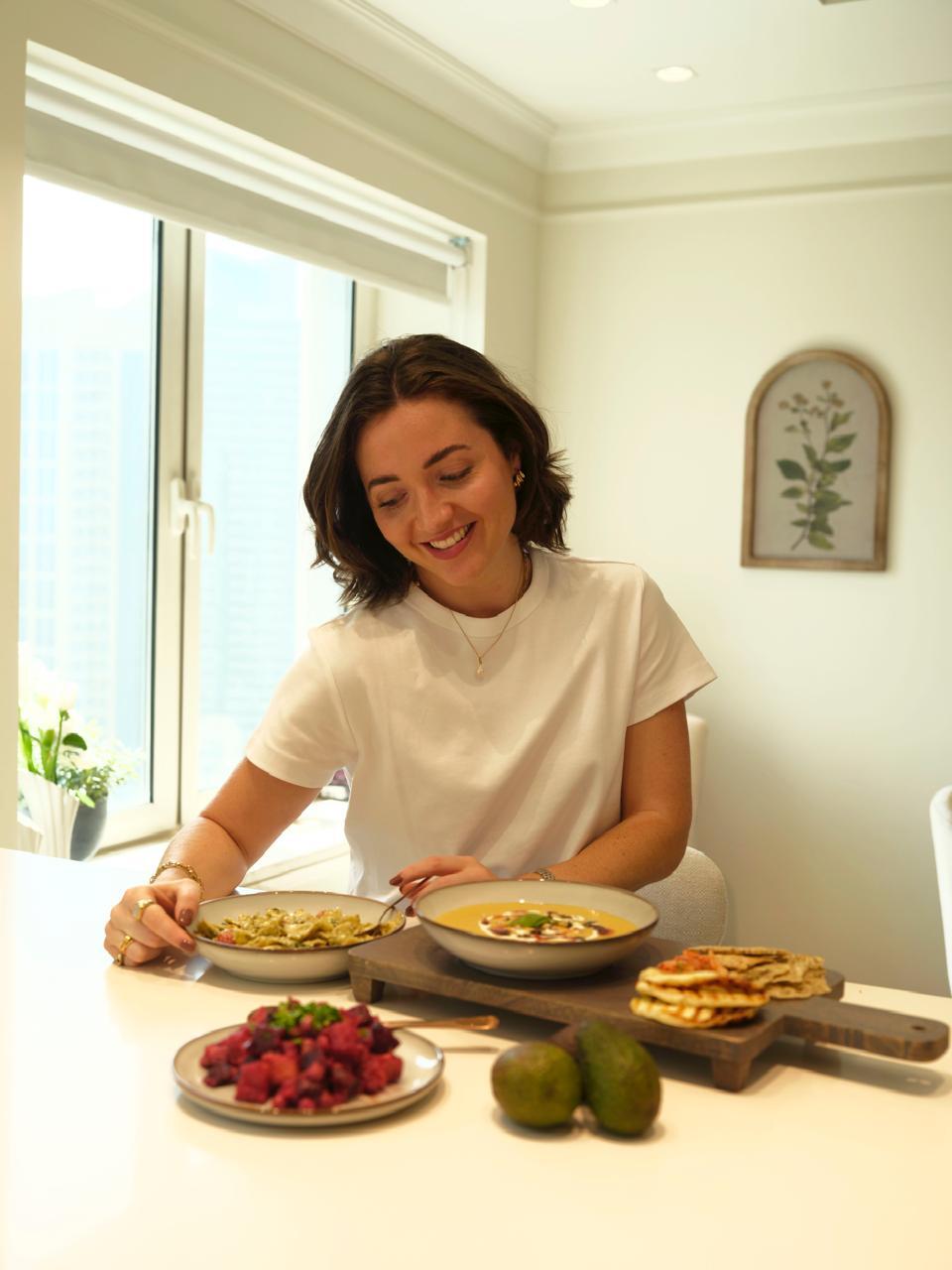
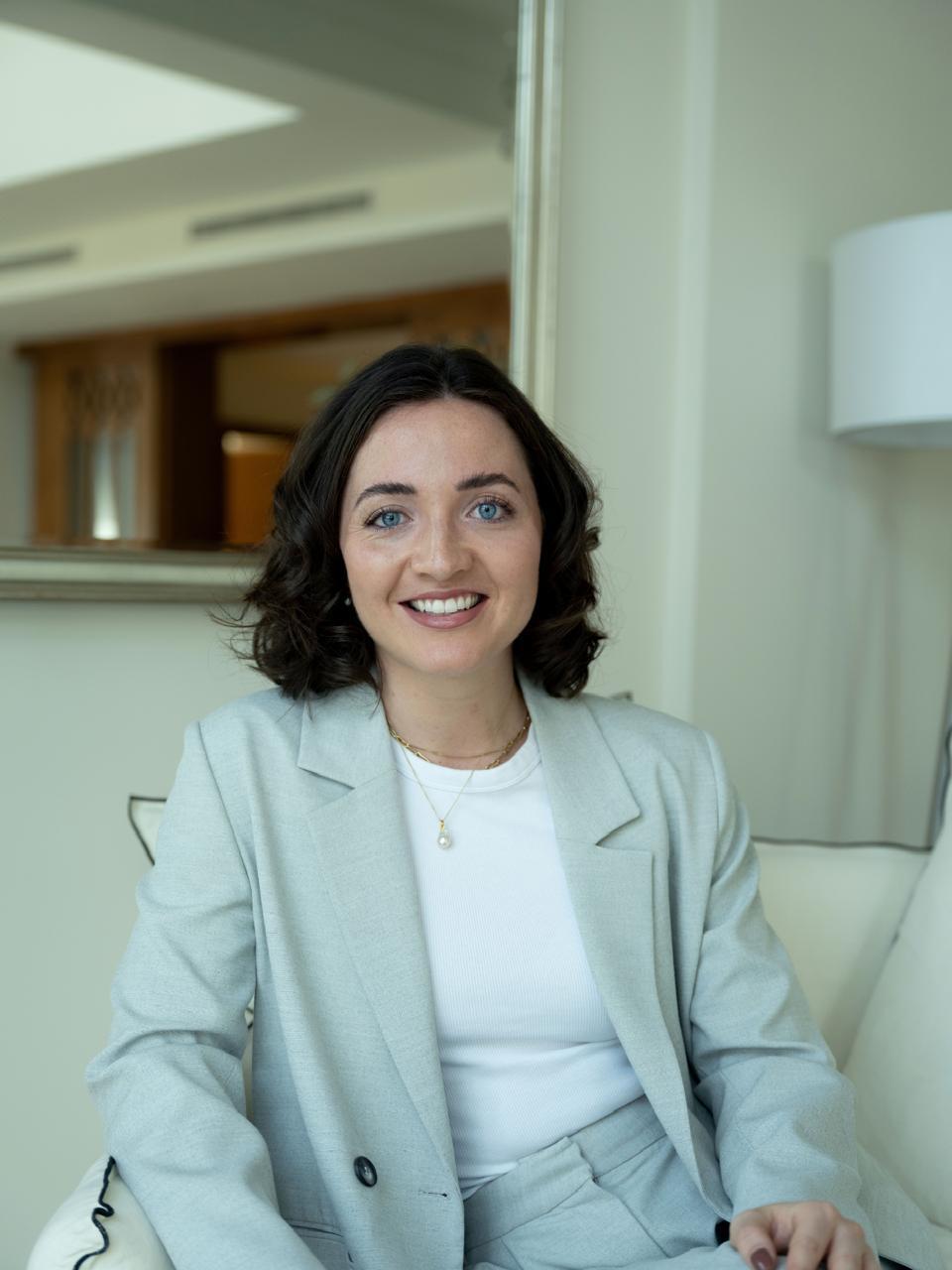
Most people leave school with a plan. Head Girl Sophie Sowerby left in 2015, with several.
Ten years later, she's Head of Services for Bioniq's Bespoke Health Quarters, building a global ecosystem of ultra-high tech private health and performance centres. She's also a nutritional therapist, personal trainer, founding team member of a high-performance health media platform, and the architect of a female hormone health initiative.
The path from sixth form leadership to all of that wasn't drawn on a careers plan. It was built, piece by piece, across multiple disciplines that most people would never think to combine.
A Moment That Mattered
When Sophie was 23, her fitness fanatic father collapsed on a squash court and stopped breathing. For 22 minutes, he was clinically dead. He survived. In fact, he didn’t just survive - he's here, writing this, because his daughter refused to let him go. Sophie got CPR started and made sure it didn't stop until the ambulance arrived.
It wasn't Sophie's trauma to carry, it was his. But it clarified something for her about how fragile life is, and how much the choices we make about health, nutrition, resilience and preparation matter. Not in theory. In practice.
That understanding didn't define her career. But it informed it. Everything that followed has been about understanding the human body, optimising health, and helping people make better choices about how they live.
The Foundation: DESS College to Newcastle
Sophie left DESS College in 2015 after serving as Head of Sports in Year 12 and Head Girl in Year 13. She was an accomplished sportswoman who had played State-level water polo while living in Australia, and netball at both club and later at university level, a qualified swim coach and netball umpire.
But sport wasn't just what she did. It was how she understood discipline, teamwork and pressure. All of which would matter later.
She went to Newcastle University to study Pharmacology. A science degree that was rigorous and detail-oriented - the kind of programme that trains you to think precisely about how the human body works and what happens when it doesn't.
The Working Girl: Marketing, Oncology, and Building a Career
In September 2017, while still a student, Sophie started a 12-month oncology marketing placement at Pfizer in the UK. She joined the pharma giant’s Surrey-based commercial renal cell carcinoma regional team, which gave her options to apply her knowledge across oncology or scientific marketing. The role leaned into her interest in brand and customer engagement. It was strategic, creative, and opened doors.
September 2018 brought her back to Newcastle for her final year, but this time as one of eight Newcastle University Employability Ambassadors for the 2018/2019 academic year. She was responsible for helping promote career fairs and activities to other students. The placement year she'd completed at Pfizer had shown her the value of real-world experience, and she wanted other students to have similar opportunities. The role gave her lecture appearances and kept her connected to the university's open days.
By late 2019, she'd landed an internship within the UK division of US medical device group Boston Scientific.
Within two years, she was promoted to Boston's UK Marketing Manager and then on to EMEA Product Manager; still UK-based but traveling across Europe. She also decided to start a part-time Master's Degree in Nutritional Therapy; an evidence-informed, whole-body approach that looks beyond diet into areas like hydration, exercise, sleep and metabolic testing to optimise people's health, wellbeing and performance.
It wasn't a random sidestep. It was a deliberate expansion of how she understood health. Oncology and medical devices taught her about disease. Nutrition was teaching her about prevention, optimisation, resilience.
The Shift: From Corporate to Practice
In 2023, Sophie started her NutriPT consulting practice. Not as a side hustle, but as a serious commitment to working with people directly, helping them navigate the relationship between what they eat, how they live and how they feel. Realising the importance of exercise and physiology in the mix, she also achieved a Certified Level 3 Personal Trainer qualification.
In 2024, almost five years after starting at Boston Scientific, she relocated back to Dubai and joined Harness Foods as their in-house Nutritionist.
The Current Chapter: BHQ and Bioniq
In 2025, Sophie joined Bioniq to immerse herself in their personalised supplementation approach. Founded in London, Bioniq sets itself apart through its powerful combination of data-driven, clinically-backed micro-nutrient formulations, and its innovative Swiss-patented granule delivery system.
Sophie's role as Head of Services for Bioniq's Bespoke Health Quarters (BHQ) division is to establish a global ecosystem of all-encompassing ultra-high tech private health and performance clubs. Each club will rely on multidisciplinary teams of specialists to offer members medically guided protocols to help them unlock their true potential. The idea is that by delivering proven methods that support every aspect of health, growth, and professional development, Sophie and the BHQ team will empower individuals to excel in every aspect of their lives, not just general fitness.
While work continues on the construction of the BHQ flagship in Dubai, Sophie is rendering the BHQ methodology and operating model across the group's latest acquisition: Remedy Rocks, on the Spanish island of Ibiza. While there, she is also training to become an educator with BioniqLab, Bioniq’s venture into the world of research peptides.
Also in 2025, she stepped into the world of media as part of the founding team for Hack You Media, an education platform for high-performance health, created by Bioniq's founder Vadim Fedotov and Mike Thurston.
Alongside all this, she's developing her specialism in female hormone health advice - particularly reproductive challenges like hypothalamic amenorrhea (HA). As someone currently on this journey herself, she's sharing both personal experience and evidence-based guidance to help women better understand their cycles, the impact of stress and under-fuelling, and what to expect when coming off hormonal contraception.
What Drives Her
Sophie's career isn't random. There's a clear thread: understanding the human body, optimising health, preventing disease and helping people make better choices about how they live.
From pharmacology to oncology marketing to nutritional therapy and longevity. From competitive sport to personal training. From clinical research to food systems to female hormone health. It all connects.
And it's all rooted in something she learned at DESS College: when the situation demands it, you step up. You don't wait for permission. You don't second-guess. You act.
That's what made her Head Girl. And that's what's building her career now.
Looking Forward
Sophie's far from finished. The BHQ flagship in Dubai is under construction. Remedy Rocks in Ibiza is being transformed. The female hormone health platform is growing. Hack You Media is expanding.
She's layering expertise across nutrition, wellness, longevity, performance optimisation and female reproductive health in a way that most people wouldn't even attempt.
But if you know Sophie's story - if you understand how she's built her career across multiple disciplines, it makes perfect sense.
Because when you're genuinely committed to understanding how the human body works and helping people optimise their health, you don't limit yourself to one field. You learn from all of them.
Sophie Sowerby. DESS College Class of 2015.
Still moving. Still building. Still refusing to settle for good enough.
The Long Way Round
When Tara Chan-a-Sue looks back on secondary school, she remembers a kid who'd spent years at Kumon trying to keep up. Not particularly academic. Not especially gifted back then.
Then she moved to Dubai and started at DESS College. And something shifted.
It wasn't that she suddenly became brilliant. It was that someone finally acted like she could be.
The Teachers Who Saw Something
Before DESS College, school had been a grind. Extra tutoring. Endless worksheets. The quiet understanding that some people were naturally good at this stuff, and she wasn't one of them.
But at the College, teachers gave her their time. Not because she was obtrusively outstanding, but because they believed she could be.
Take Mr Trebel. First A-level chemistry report: a D. Most teachers would've suggested a subject change. Instead, he sat with her in free periods, marked extra papers, went through every question she got wrong. She finished with an A.
"DESS College is probably at the core of my success," Tara says now. And she means it literally. Not the facilities or the opportunities, though those helped. She means all the special people who stayed late and pushed when it mattered, who treated potential as something you build, not something you're born with.
Her Extended Project Qualification only existed because teachers carved out time to support it. Her Duke of Edinburgh award came together the same way. Slowly, she was assembling a version of herself that universities might actually want.
She just didn't know yet how many times she'd have to rebuild that version from scratch.
First Setback: The C That Changed Everything
Tara wanted to study medicine or veterinary science. But a C in maths meant neither was on the table. So she pivoted to medical science at Leeds and threw herself into everything: societies, extracurriculars, anything that might compensate for not being on her original path.
She remembers that rough first year. And the even worse second year! She'd left the structured, supportive environment of DESS College and found herself floundering in a system that expected her to work everything out alone.
Her personal tutor became a lifeline. He listened. He helped her choose a dissertation project that played to her strengths. She got a first for that dissertation and scraped a 2:1 overall.
It wasn't the degree she'd dreamed of, but most importantly, she was still moving forward.
Second Setback: The Army Interview That Wasn't
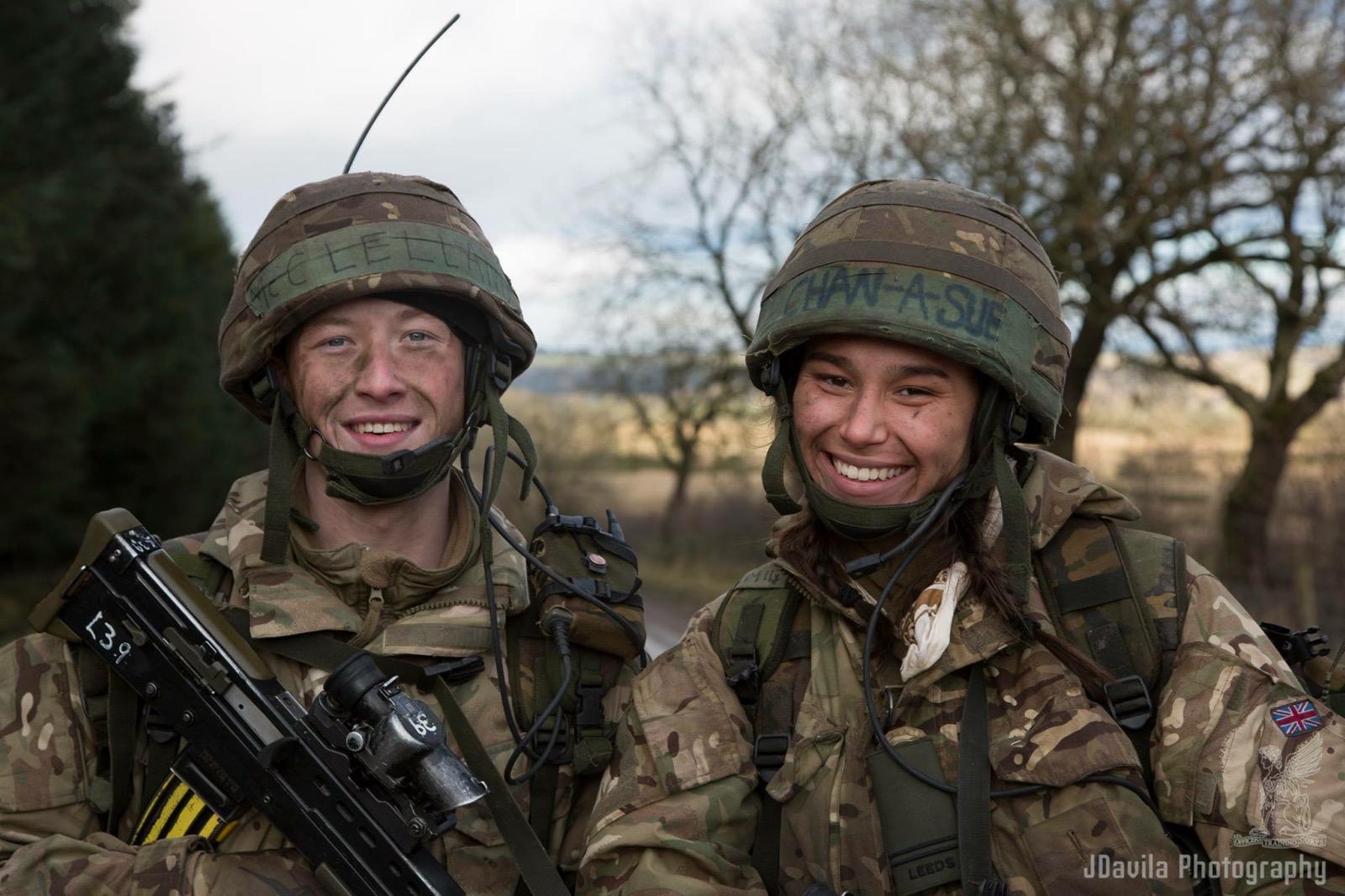
At Leeds, Tara joined the Officer Training Corps and loved it. She decided to become a regular Army officer. The entry interview? Passed with flying colours.
She walked into the final interview confident. Overconfident, as it turned out.
She failed. Publicly. In front of a Colonel who'd just spent the last hour telling her there was no way it wouldn't go her way.
"It's hard having to tell people you failed at something you were assured you're great at," she says. For weeks, she wasn't in a good way.
But she didn't quit. She joined the reserves instead, enlisting as a soldier with the Queen's Own Yeomanry in York. She passed basic training at Pirbright and won the fitness prize for her intake. Then she transferred units when she moved to Northern Ireland; where she worked closely with the officer recruitment team and eventually applied again to become an officer.
She failed again.
You only get two shots at the Army officer interview. That was it. Career over.
"Probably my biggest knock to date," Tara admits. "They say all they're looking for is potential, not the finished product. And yet, apparently, I didn't have it."
Most people would have walked away from the military entirely. Tara applied to the Royal Navy.
She went through the whole process a third time. And this time, she passed the officer interview.
"I have never felt relief like that in my life."
COVID complicated things. She applied twice for the medical bursary to fund her degree, but was rejected both times. Once she finished medicine, she reached out again. Now she's passed the admin stage and has her induction at HMS President in January.
Her goal? Reservist Royal Naval Doctor.
Third service. Third application process. Still progressing.
Third Setback: Not Enough ‘Life Experience’
With her medical science degree in hand, Tara wanted to become a genetic counsellor. She'd spent time with a family friend, Kathleen, and been inspired by her work. She read about the 10,000 Genome Project and started emailing hospitals across the UK. Southampton agreed to host her.
There, she watched multidisciplinary teams led by doctors who knew their patients, their families, and the cutting-edge research. She wanted that. She applied to the NHS Scientific Training Programme in third year.
She was rejected: ‘Not enough life experience.’
She applied for NHS jobs, but got the same answer. Despite her degree, she didn't have an NVQ in social care, so she didn't meet the criteria.
So she did what needed doing. She applied for personal care jobs, and landed one in Ilkley, West Yorkshire with the Audley care group.
"I learned a lot about the demands of physically caring for another person," she says. "And how the social care system is chronically underfunded and relies on the goodwill of good people."
That job gave her the experience to land an NHS role as a community rehab assistant, supporting stroke survivors with physiotherapy, occupational therapy and speech therapy.
And that role gave her what she needed to apply for medicine. So, Belfast accepted her.
Fourth Setback: The Reg Who Had It In For Her
Tara's first clinical placement was in cardiothoracics - and it gripped her. Consultants helped her arrange a summer studentship. The problem was that although she spent her days in theatre, she wasn't getting much hands-on experience.
The department was short on scrub nurses, so Tara asked the matron if she could assist, thinking it would get her closer to the table. Matron agreed.
Her first case was with a London congenital surgeon, Mr Conal Austin, who'd flown over to operate because patients couldn't travel during COVID. He took her under his wing and invited Tara to visit him in London the next month.
At the Evelina Hospital, Tara watched incredible surgery. She also got publicly torn apart by a registrar who decided she was asking too many questions and getting too involved ‘when she didn't belong.’
It was humiliating. She went straight to Mr Austin to apologise for speaking out too much.
He told her she wasn't in the wrong and that the trainee was most likely having a tough time and projecting it onto her.
"What I learnt was: don't be that person who, when they're having a bad day, puts it on those seemingly below them. It doesn't make your day easier, and those above you will think less of you for it."
Mr Austin encouraged her by giving her a research project. It won first prize for a poster at the Royal Society of Medicine conference.
Tara used that conference to pitch herself to examiners. She wrote cover letters, printed her CV, and networked hard. Professor Punjabi from Hammersmith Hospital invited her to spend a month in London the following summer.
In the meantime, she kept showing up in the Belfast cardiothoracic department. More theatre cases. More research projects. She was told that if she wanted to train as a cardiac surgeon, she'd need to get a job at Royal Papworth Hospital in Cambridge.
So she geared all her foundation year applications toward that one job. Jobs were allocated randomly. By sheer luck, she got it.
She's working there now. Still off the mark to get accepted into training this year. But she's already planning next year's application.
The Pattern
If you've been counting, that's four major rejections. Four times Tara was told, in various ways, that she didn't have what it took.
And four times, she found another route.
"Resilience isn't something you intrinsically have," she says. "It's something you earn. With time, you get more of it. Failures can be framed as setbacks rather than the end of the road."
She also wants younger women to hear this: "Don't think you can't have your cake and eat it. People will test you, saying you can't have a family life or a functional relationship if you apply for surgery. That just isn't true."
What Actually Works
Tara's advice is simple, and hard-won:
Be curious. Ask to join in. If someone offers you an opportunity, take it.
Don't wait for permission. Don't assume the door is closed just because the first person you asked said no.
And if one group of people doesn't think you have potential? Find a different group.
Because potential isn't fixed. It's not handed out at birth or determined by your first set of grades or your first failed interview.
It's built. Slowly. Through late nights with teachers who believe in you, through jobs that aren't glamorous but teach you something, through showing up even when the last attempt didn't work out.
Tara started secondary school with a report full of Cs. She's now training to become a cardiothoracic surgeon in one of the best hospitals in the world.
The road was longer than she planned. And nothing about it was straightforward. But she's still moving.
If Tara’s story of struggles and triumphs resonates – or if she can help to unravel some of the mysteries of resilience, she’d be happy to help tarachanasue@gmail.com
THE LEAP: COMMUNICATION
Why the Best Ideas Die in Bad Emails (and How to Stop Killing Yours)
Here's a truth that will save you years of frustration: being good at your job is not enough.
You can be the most talented analyst, the sharpest designer, the most thorough researcher. But if you cannot communicate your work clearly, confidently, and in a way that makes people want to listen, you will watch less capable colleagues overtake you.
Communication is not a soft skill. It's the skill. And yet it's the one most graduates underestimate until it costs them something they cared about.
The Invisible Barrier
You leave college or university with technical knowledge, maybe even work experience. You land the role. You start contributing. And then, slowly, you notice it.
The meeting where your point gets lost in the noise. The email that gets no response. The presentation that lands flat despite hours of prep. The idea you had three months ago that someone else just got credit for explaining better.
This is not about charisma or natural confidence. It's about clarity, structure, and awareness. The good news? These can be learned.
What Actually Matters
Forget everything you think you know about ‘corporate communication’. You do not need to sound impressive. You need to be understood.
In writing:
- Say what you mean in the first sentence. Not the third paragraph. The first sentence.
- Assume people will skim. Make your emails scannable. Bold the key point. Use line breaks.
- If it is longer than one screen, it needs headings or bullet points.
- Never send anything important when you are angry, defensive or rushing. Save it as a draft. Come back in an hour.
In speaking:
- Structure beats spontaneity. Know your opening line and your closing point before you start.
- Silence is not your enemy. Pausing makes you sound more confident, not less.
- If you are nervous, say less, not more. Nervous people over-explain. Confident people trust their point.
In meetings:
- Ask questions that move things forward, not questions that prove you are paying attention. There is a difference.
- If you are going to disagree, do it with precision. "I am not sure that works because..." beats "I don't think that's right."
- The person who summarises the discussion well at the end often gets remembered as the most useful person in the room.
The Mistakes That Cost You
Waiting for permission to speak. In most workplaces, the person who waits to be invited rarely gets heard. You do not need to dominate, but you do need to contribute.
Assuming people know what you mean. They do not. If it matters, spell it out. What seems obvious to you is not obvious to someone with a different context or priority list.
Confusing length with quality. A two-line email that gets a decision made is worth more than a 400-word essay that gets ignored.
Being defensive when questioned. The best professionals treat questions as collaboration, not combat. When someone pushes back, it is usually because they need more clarity, not because they doubt your ability.
The Skills No One Teaches You (But Everyone Expects)
Reading the room. Not just in meetings, but in emails, Slack messages, video calls. Is this the right time to push? Should you wait? Can you sense when someone is overwhelmed, distracted, or ready to engage?
Adapting your style. Your line manager might want detail. Their boss might want headlines. Your client might need reassurance. Your colleague might just need you to get to the point. One style does not fit all.
Knowing when to write and when to talk. If it is complex or emotional, do not email it. If it is simple and needs a record, do not call a meeting.
Why DESS Alumni Have an Edge
You have already been trained for this, even if you did not realise it.
Presenting in assemblies. Explaining your Extended Project. Navigating Houses, teams and year groups. Debating. Performing. Leading. Collaborating across cultures in one of the world's most international cities.
That's communication under pressure. And it has given you instincts that others have to learn from scratch.
The difference now is stakes. At school, a weak presentation cost you marks. At work, it can cost you credibility, opportunities, and the respect of people you need on your side.
The Long Game
Great communicators are not born. They are built. Through practice, feedback, failure, adjustment. You will send emails that miss the mark. You will stumble in meetings. You will realise, later, what you should have said.
That is fine. What matters is that you pay attention. Notice what works. Ask for feedback. Watch the people who get heard and figure out what they are doing differently.
Because here is the truth: the person who can explain the work will often go further than the person who just does it.
Not because the work does not matter. But because the work only matters if people understand it, trust it, and act on it.
And that is all communication.
A final thought for DESS alumni stepping into the workplace:
You have been given a strong foundation. Now it is time to build on it. The best investment you can make early in your career is not a qualification or a contact. It is learning to communicate with clarity, confidence and care.
Do that well, and doors will open that you did not even know existed.